




 English
 History of Villa Ana 1928: From Private Residence to Restored Mansion in Casco Antiguo, Panama
A late nineteenth-century house, the memory of Ana Mercedes Arias Icaza, and the restoration that returned one of San Felipe’s grand residences to public life.
Known today as Villa Ana 1928, the house on Plaza de la Independencia was built in the late nineteenth century and reshaped in the 1920s. Its restoration preserved the scale and social memory of a private residence while reopening the building as one of Casco Antiguo’s most distinctive historic addresses.
A short walk from the former Jesuit convent, the old quarter changes tone. The heavier fabric of convent walls and colonial masonry gives way to the edge of Plaza de la Independencia, where Villa Ana stands with the proportions of a house rather than an institution. The residence was built in the late nineteenth century, then transformed during the 1920s, when Panama was entering a different phase of urban and international life after the canal. The house belongs to that moment. It is part of a city looking outward, absorbing new influences, and turning private interiors into places of social exchange.
Villa Ana became closely tied to the Arias family and, above all, to Ana Mercedes Arias Icaza, its final resident. In the source material behind the house, she is not treated as a decorative backstory but as the person who gives the place its center of gravity. She traveled often, kept close to art and culture, and moved through the cosmopolitan world that shaped Panama in the first decades of the twentieth century. The house reflected that life. Its broad rooms, balconies, terraces, and imported finishes were made for receiving people, extending evenings, and keeping domestic life in direct contact with the square outside.
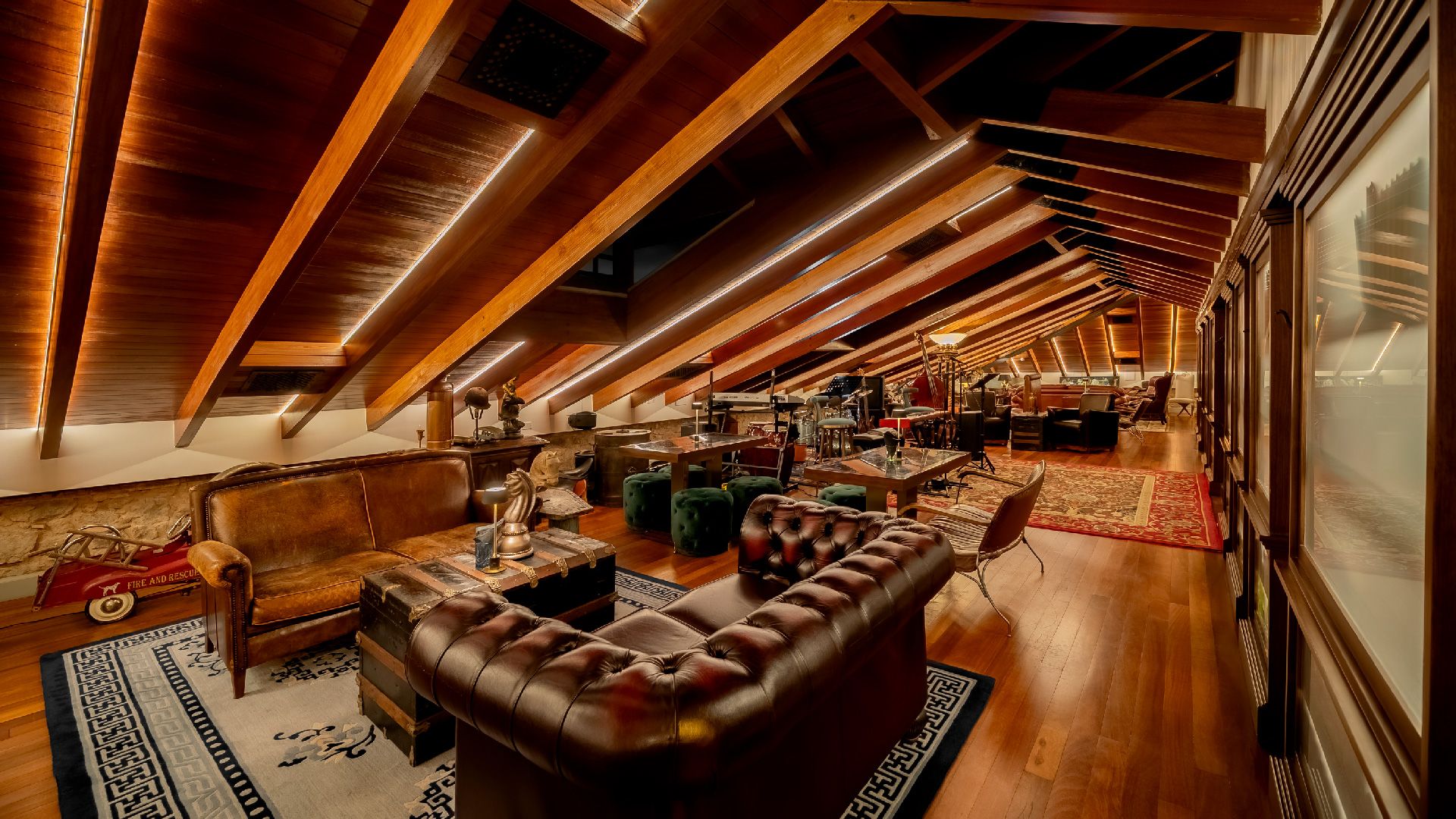
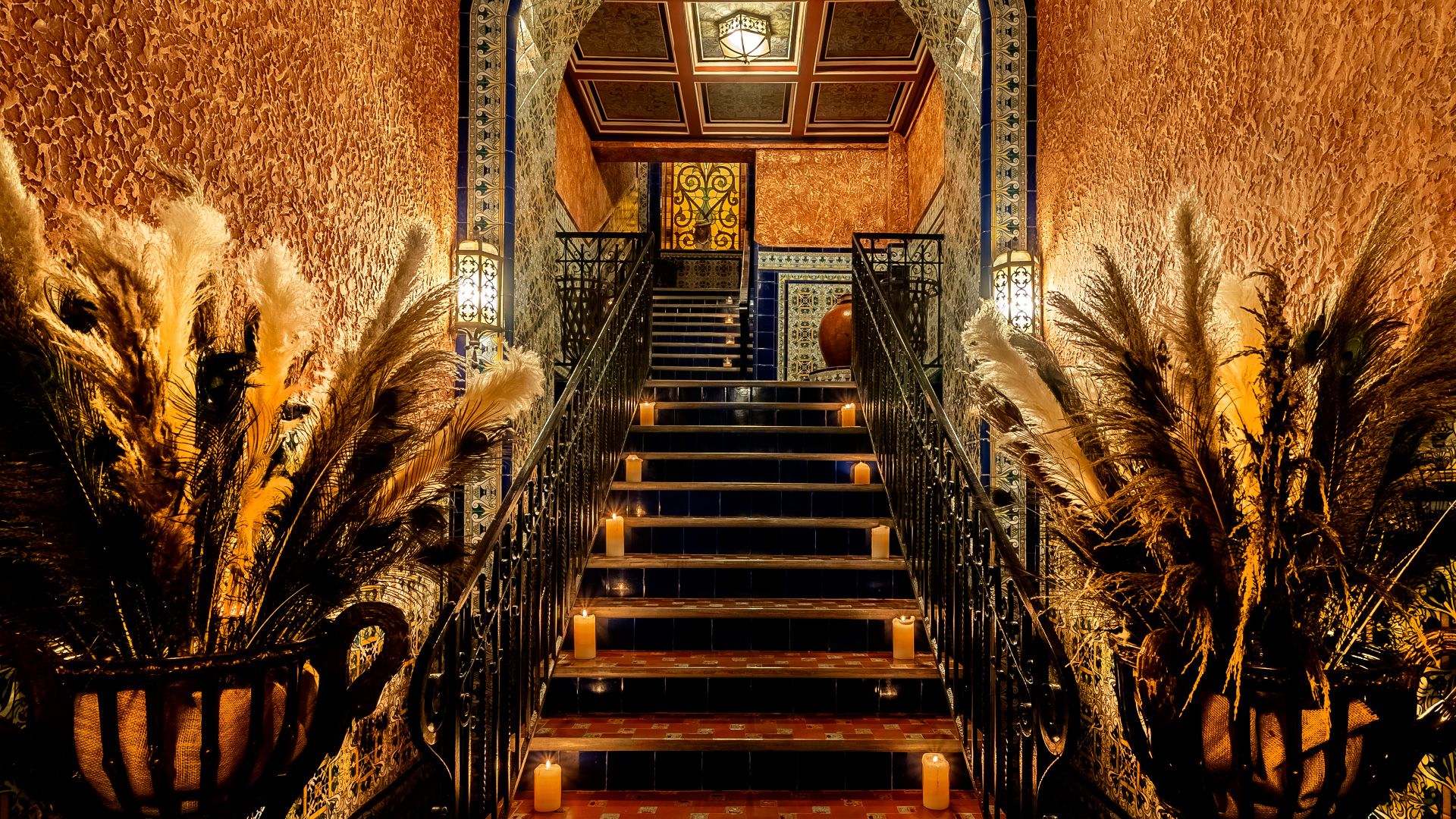
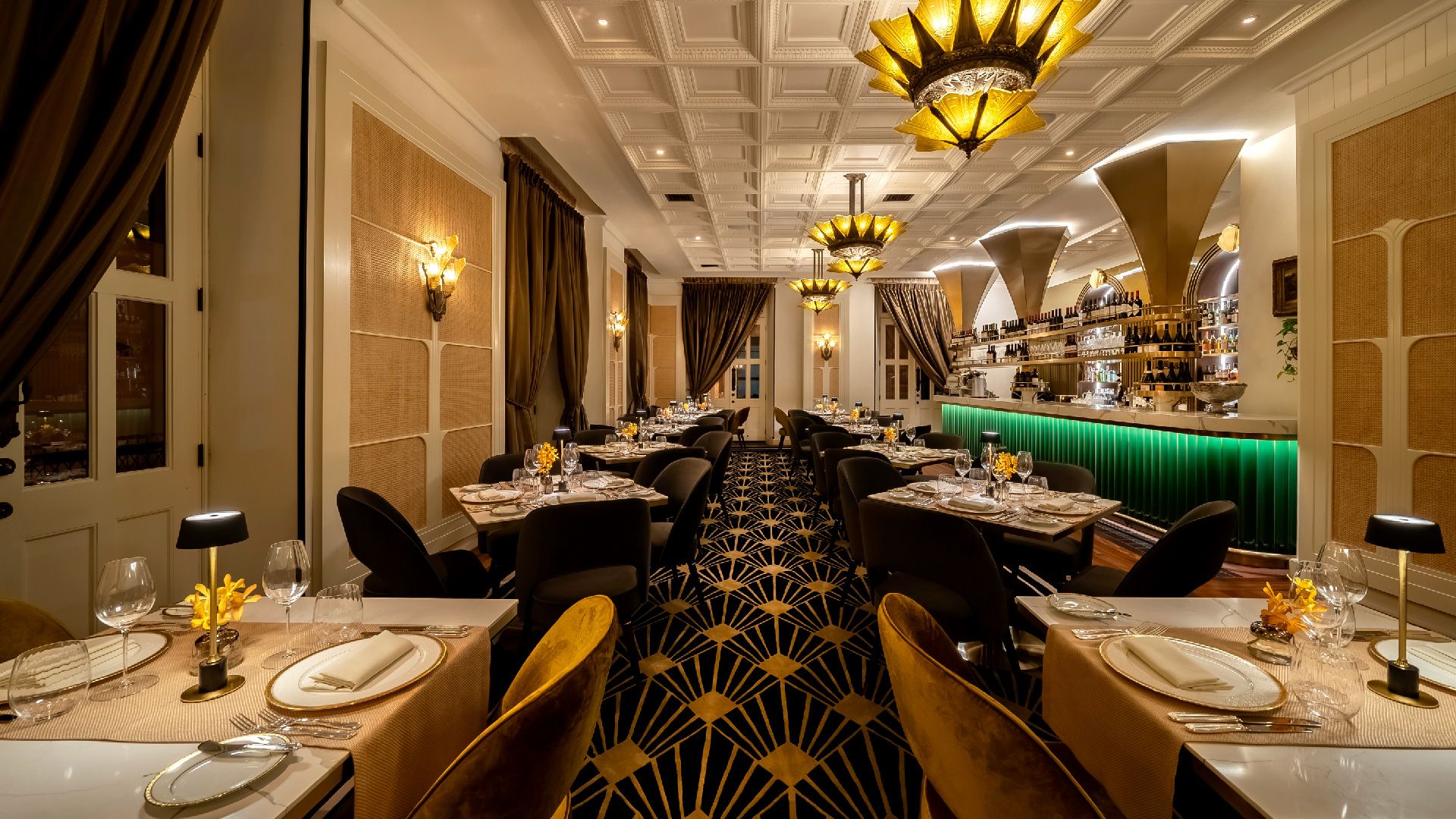
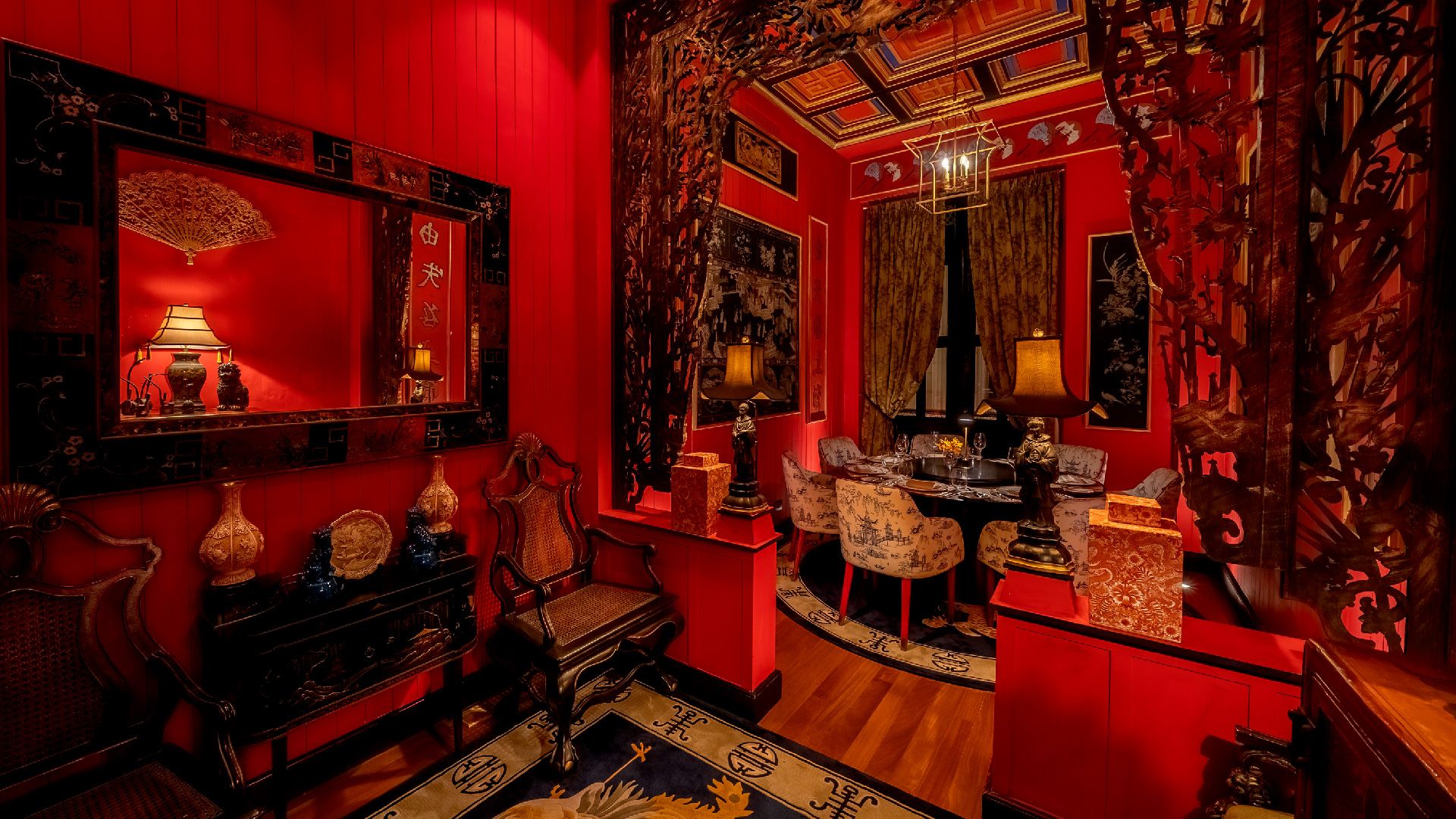
Like many houses in San Felipe, Villa Ana did not pass untouched from one century to the next. As the neighborhood lost residential life and many historic homes declined, the building entered its own period of deterioration. Its recovery treated the house as an existing structure with a physical record worth preserving. Balconies, floors, moldings, and much of the internal layout were restored where possible, while the mansion was given a new public life. Today, the dining room unfolds through four themed salons — French Deco, Indochine, Japanese, and Chinese — and the house also includes El Ático (Speakeasy), a gallery for private events, along with a Rum & Cigar Bar. Even so, the building remains the main argument.
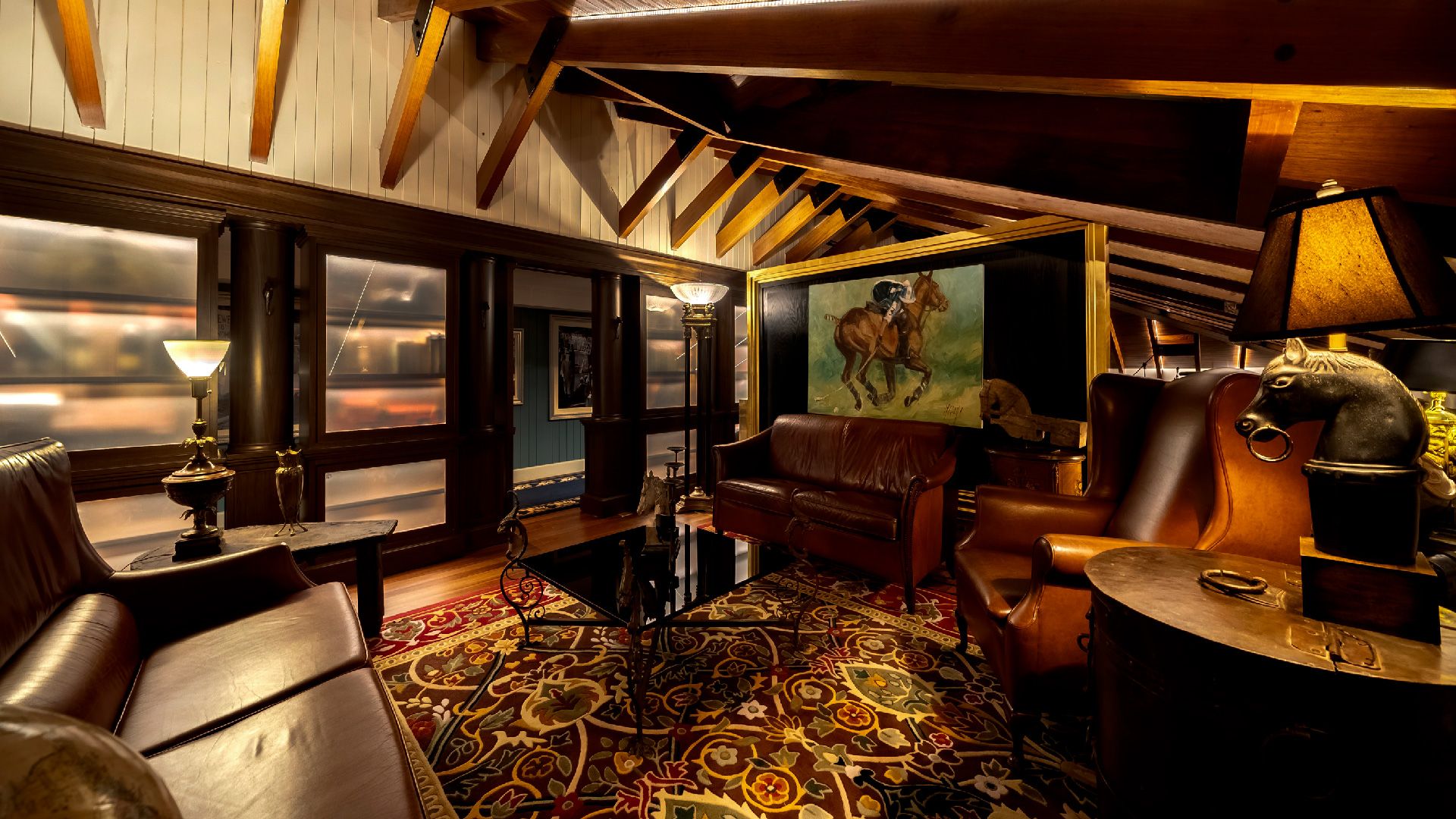
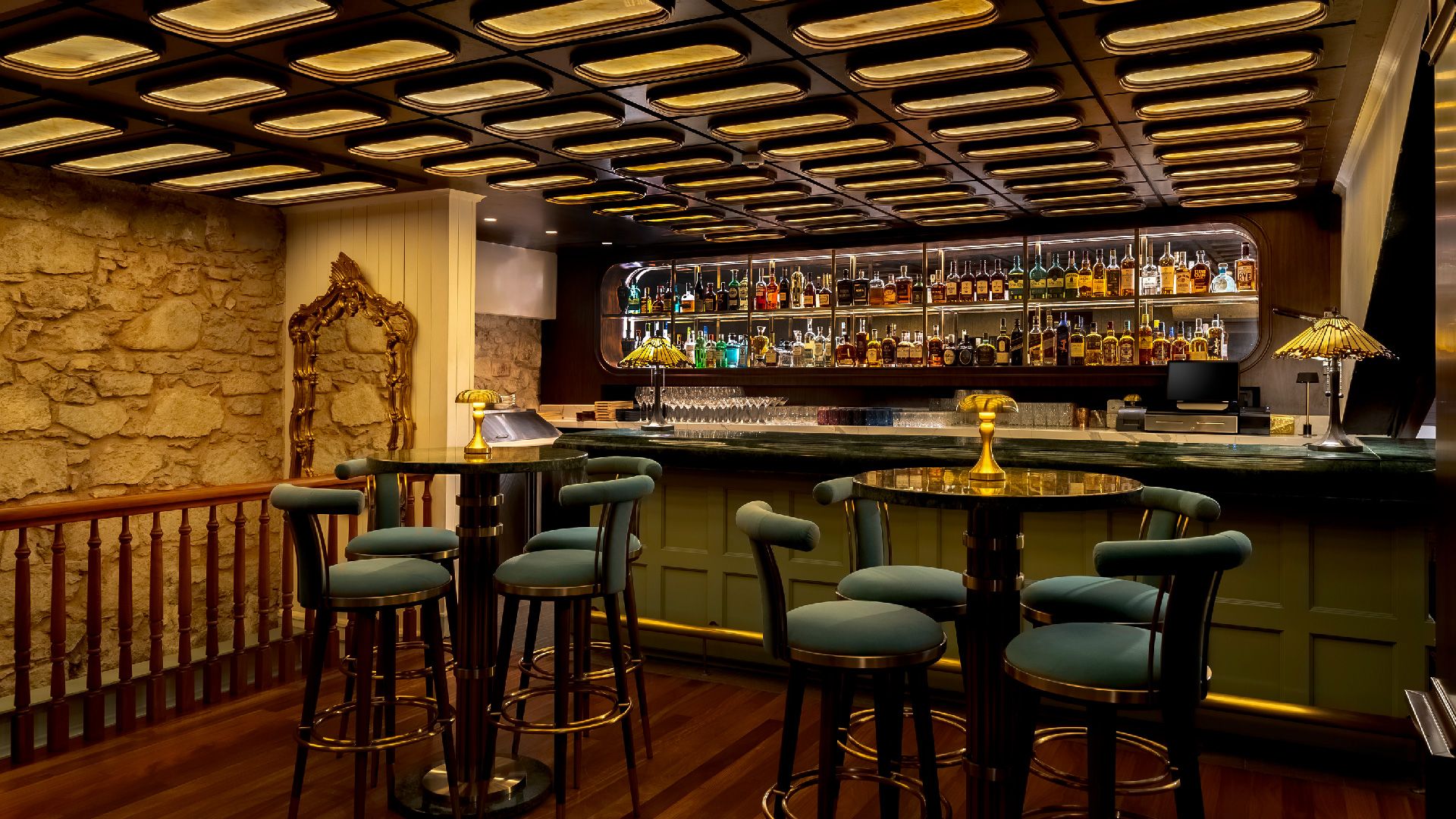
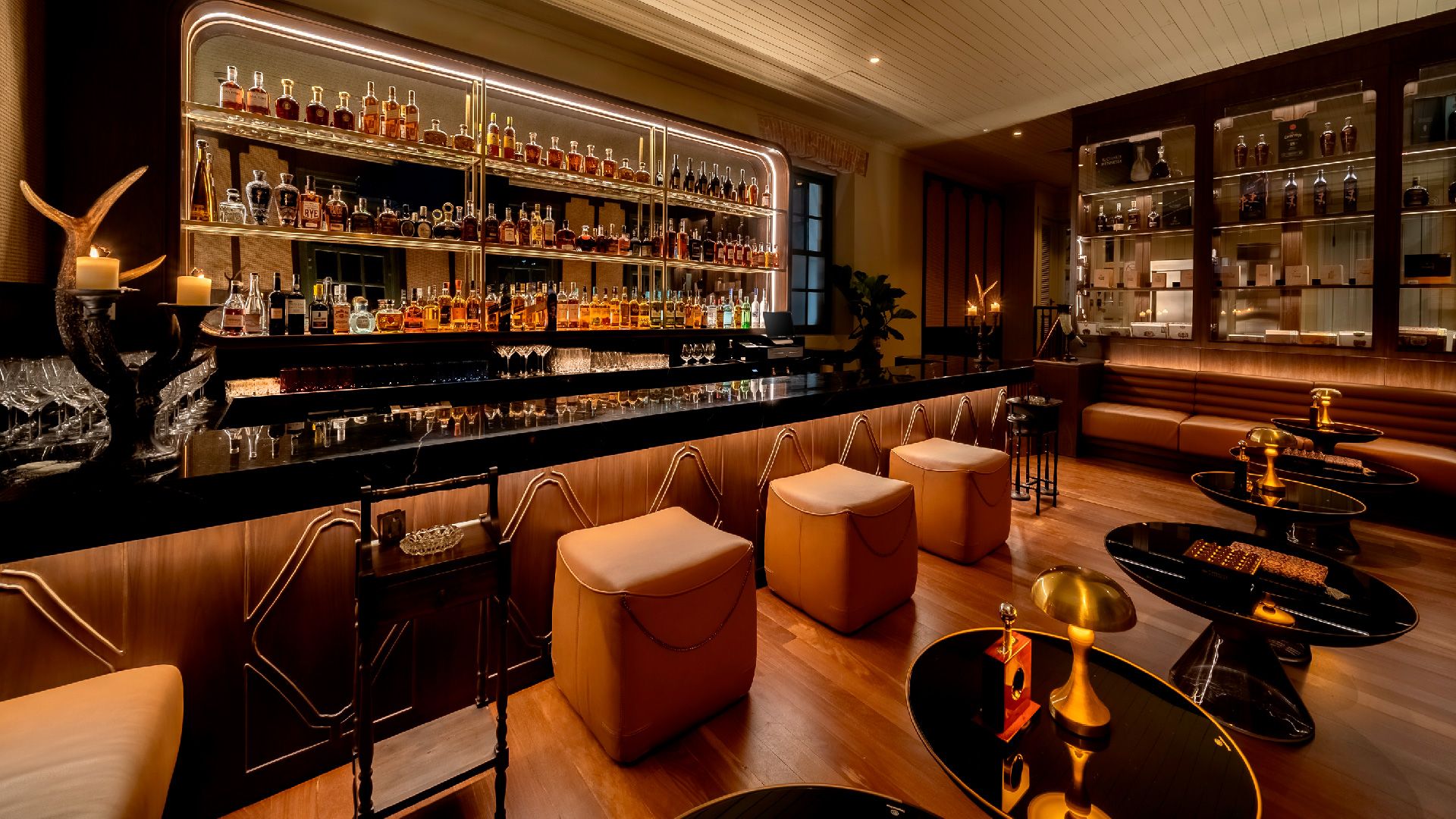
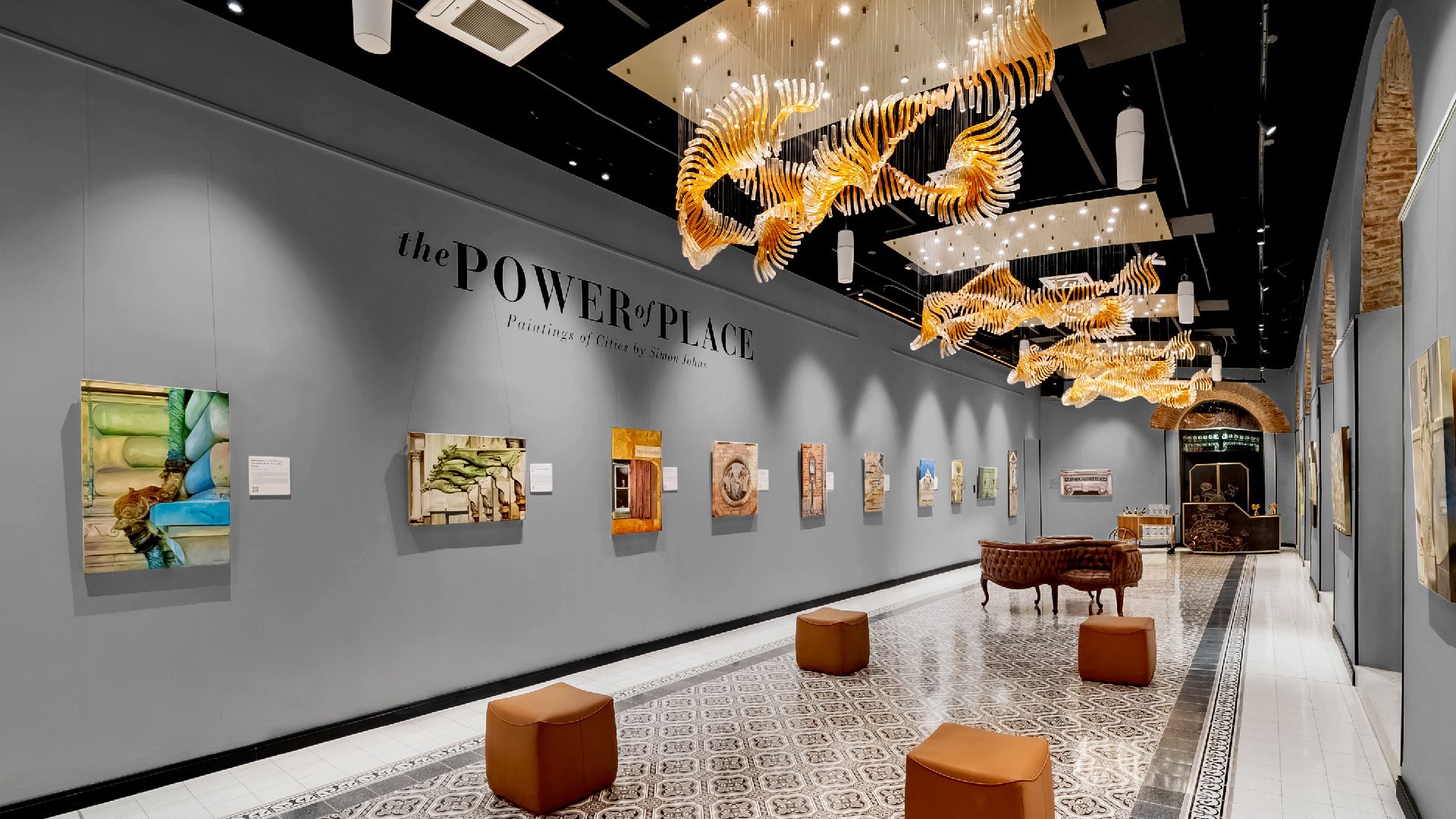
“You don’t walk into Villa Ana as a visitor, but as someone arriving late to its story.”
What makes Villa Ana interesting is not nostalgia for the 1920s. It is the fact that the house still reads as a house. The scale remains domestic. Rooms open into one another with the rhythm of a private residence, not a venue conceived from the start for hospitality. Even after restoration, you still notice stairs, landings, thresholds, and the measured sequence of spaces that once belonged to family life before they belonged to public use.
That is also why the house works in its current form. The project did not strip away its earlier life to make it easier to package. It brought social life back into the building by other means. Phones are kept out across the property, in order to create a quieter and more intimate experience removed from the habits of modern technology. The gallery extends that public life through private events, while the bar and upper rooms open the house without losing sight of the fact that it began as a private address. The result does not feel like a period fantasy. It feels like a restored mansion that still carries the memory of how it was once lived in.
Villa Ana records a later chapter of Panama than the convent ruins a few streets away. It belongs to the years when the city was opening itself to outside influences and when domestic interiors became part of a broader cultural life. From here, the story leaves the square and the old quarter altogether. The next chapter climbs into El Valle de Antón, where the setting changes from urban memory to landscape, art, and retreat.