




 English
 The Three Wings of Hotel La Compañía: Spanish, French, and American
Three historical periods, three architectural languages, and the outlets that give each wing its own life inside Hotel La Compañía Casco Antiguo.
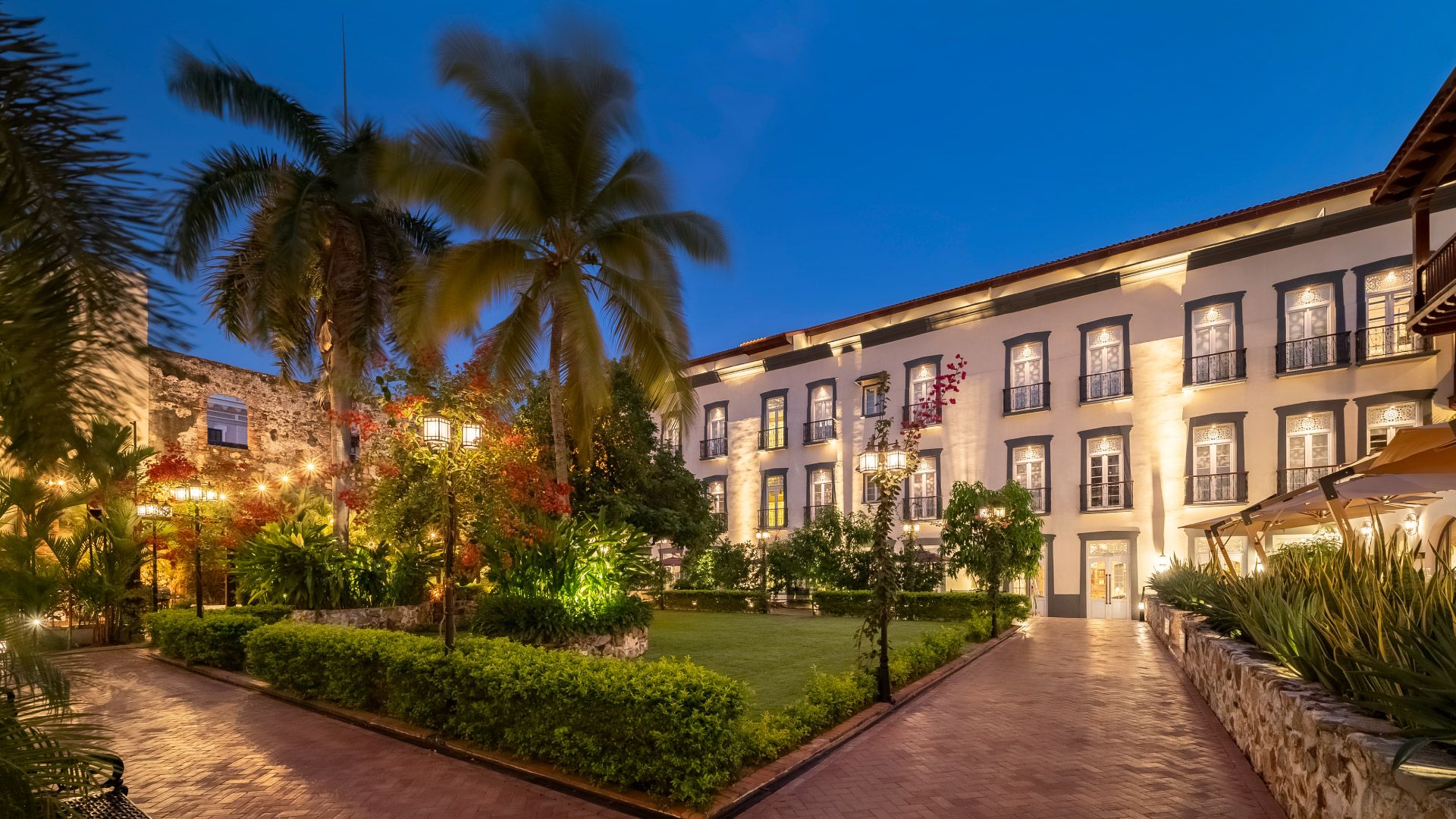
Hotel La Compañía Casco Antiguo is organized around three wings, Spanish, French, and American, each tied to a different chapter in Panama’s history. Together, they shape the architecture of the hotel and determine where its restaurants, bars, wellness spaces, and retail outlets are placed.
Spanish Wing
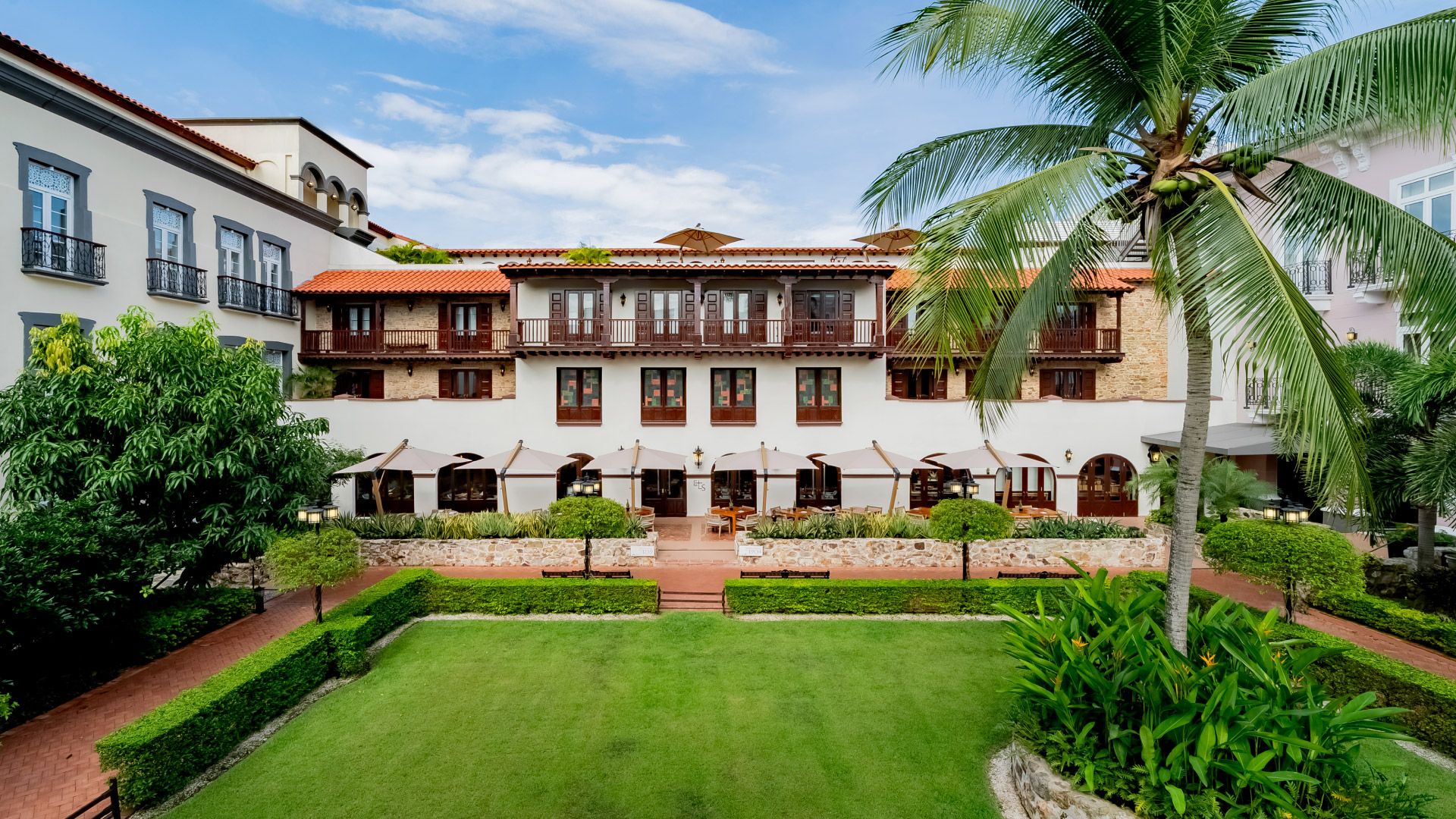
The Spanish Wing reaches back to the earliest layer of the site. Its origins lie in 1688, when the Jesuits established La Compañía de Jesús in the newly rebuilt city after the destruction of Panamá Viejo. This was the religious and educational core of the property’s first life, and it remains the part of the hotel most closely linked to that colonial chapter. Over time, the building was altered by reuse, damage, and the changing needs of the city, but this wing still carries the oldest visible part of the site’s history.
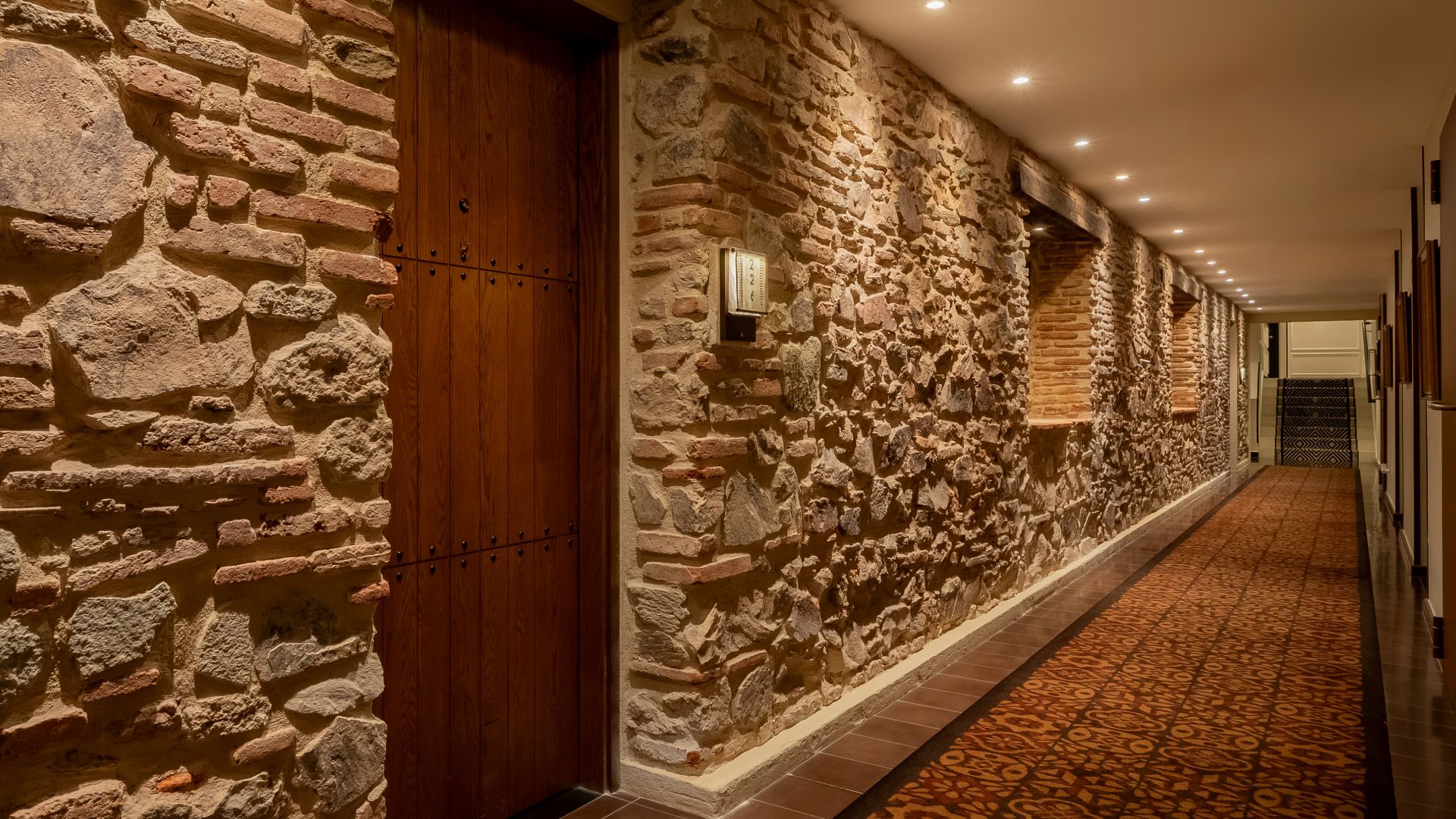
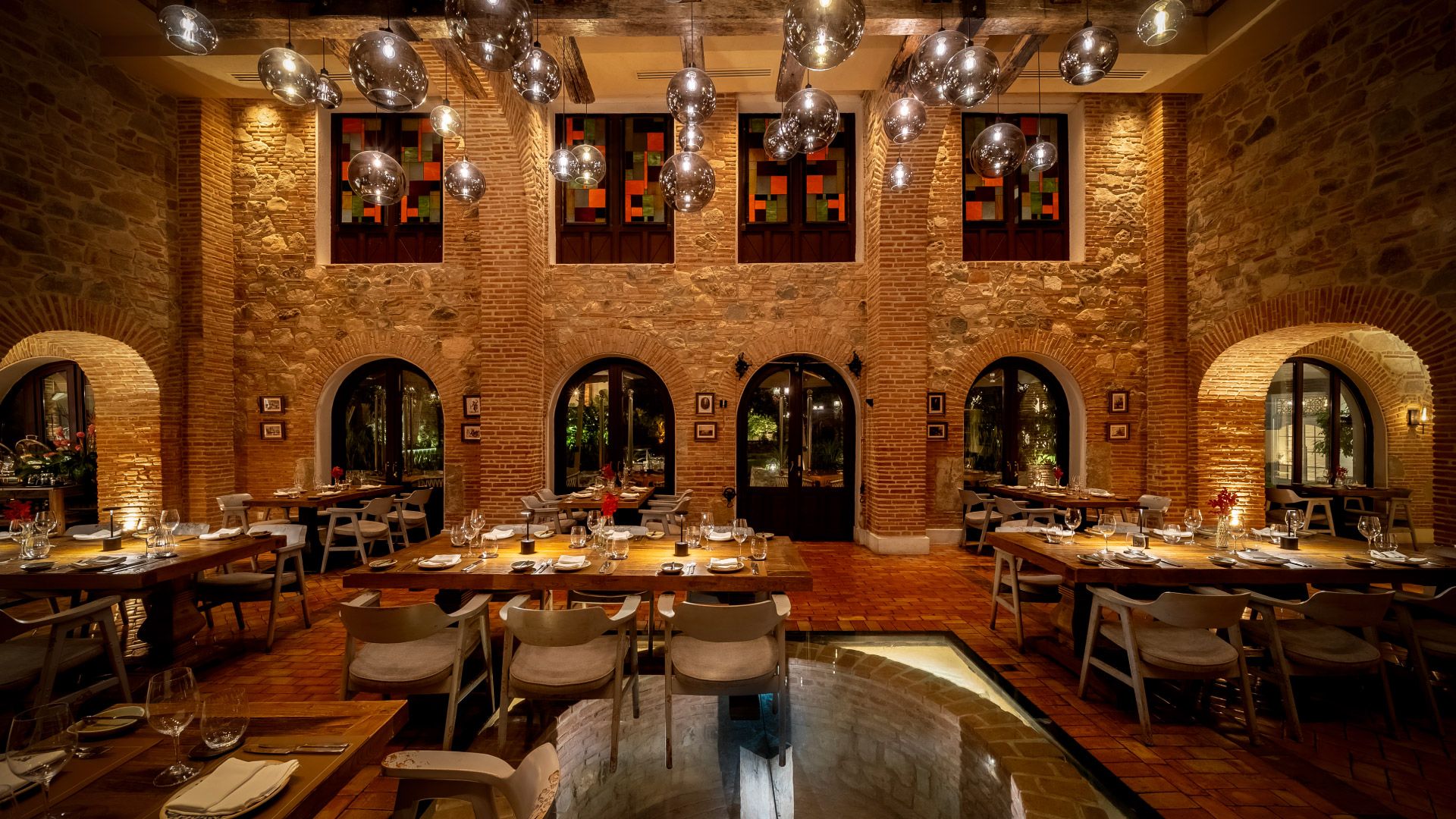
Architecturally, the Spanish Wing stays closest to the monastic character of the original complex. Stone walls, arches, columns, and heavier structural elements keep the seventeenth-century fabric legible. That historical weight explains why several of the hotel’s most grounded spaces are here. The Spanish Wing houses El Santuario, La Panadería, Memoirs as the hotel’s luxury store, and the gym, along with Spa La Compañía on the fourth floor. Taken together, those outlets give this wing a broader life than dining alone, extending it into daily ritual, retail, and wellness.
French Wing
The French Wing belongs to a later chapter. Its clearest historical anchor is the period between 1739 and 1744, when the Real y Pontificia Universidad de San Javier was founded on the site. That date remains one of the most important markers in the hotel’s internal chronology, since it ties this part of the property to a period of intellectual life, institutional growth, and wider European influence. The earthquake of 1798 also left its mark here, making the French Wing a space shaped as much by interruption as by continuity.
Its architecture reflects a more formal and outward-looking period of the city’s development. Higher proportions, calicanto walls, and a more composed interior language set it apart from the older Spanish section. The outlets here follow that tone. The French Wing contains 1739, Exilio Bar, and the wine cellar, a grouping that gives this part of the hotel a more enclosed and structured social life. The names also reinforce the historical thread: 1739 points back to the university period, while Exilio recalls the expulsion of the Jesuits in 1767.
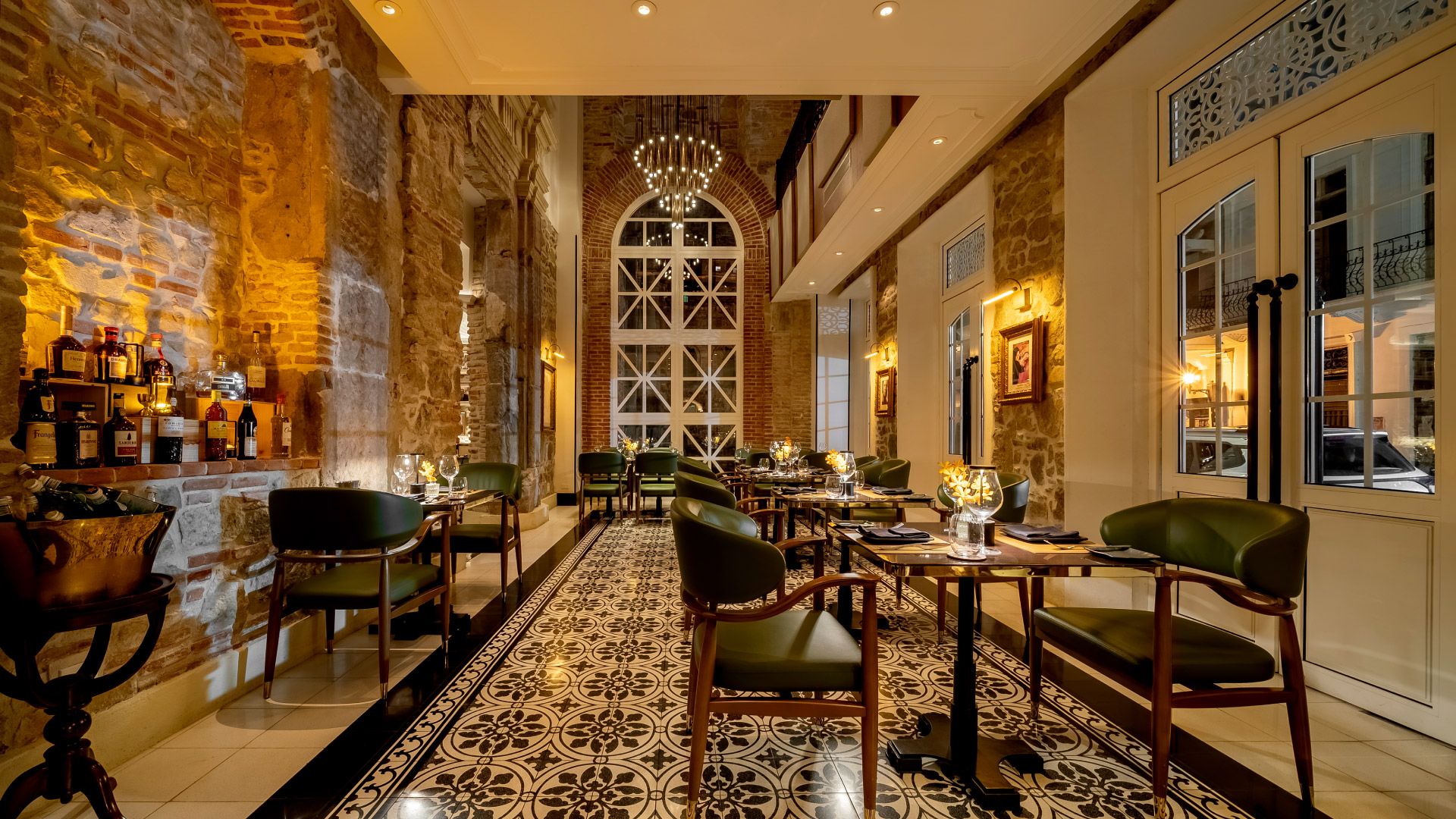
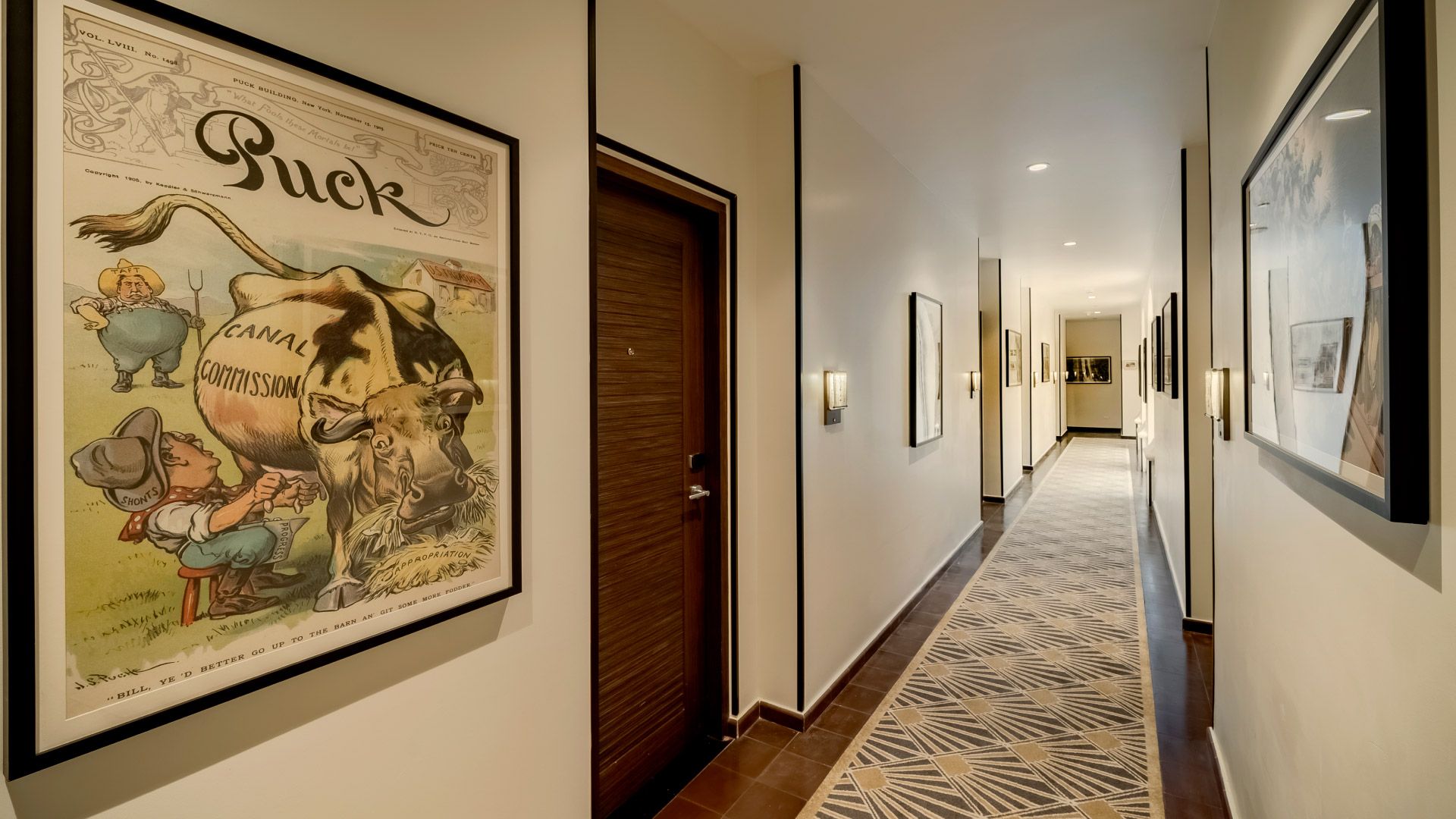
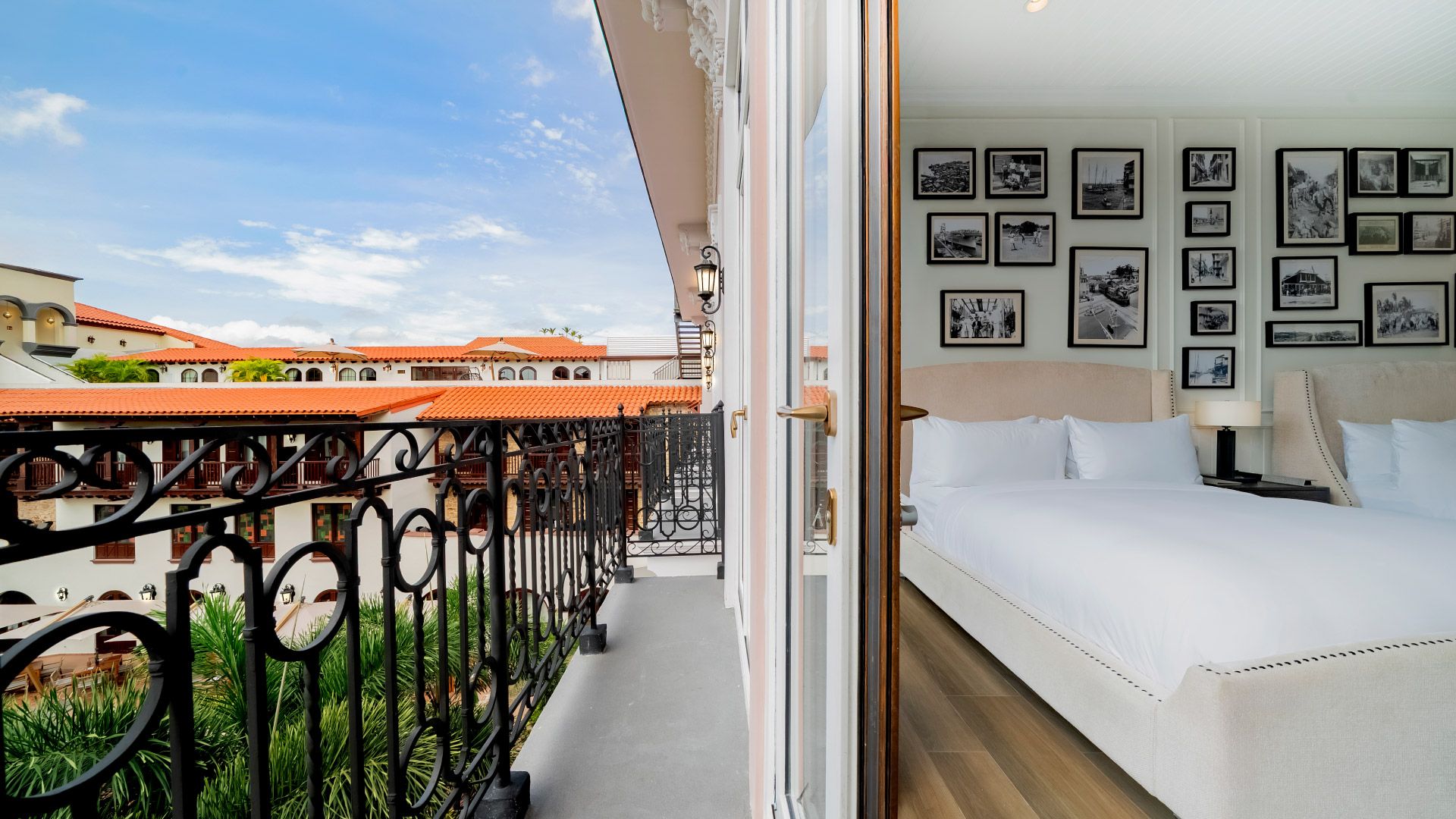
“The three wings do more than organize the hotel. They turn its history into something you can move through.”
American Wing
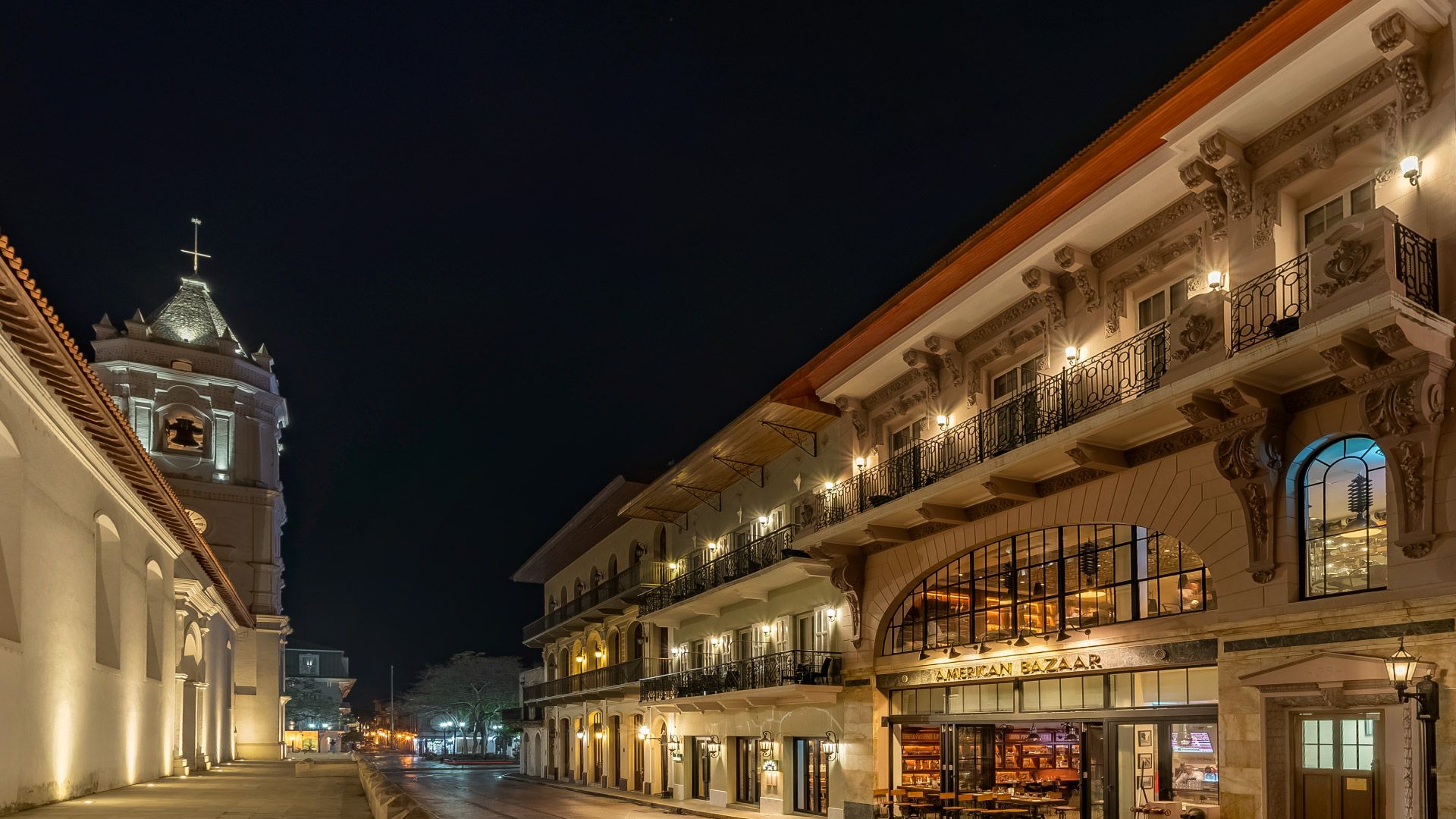
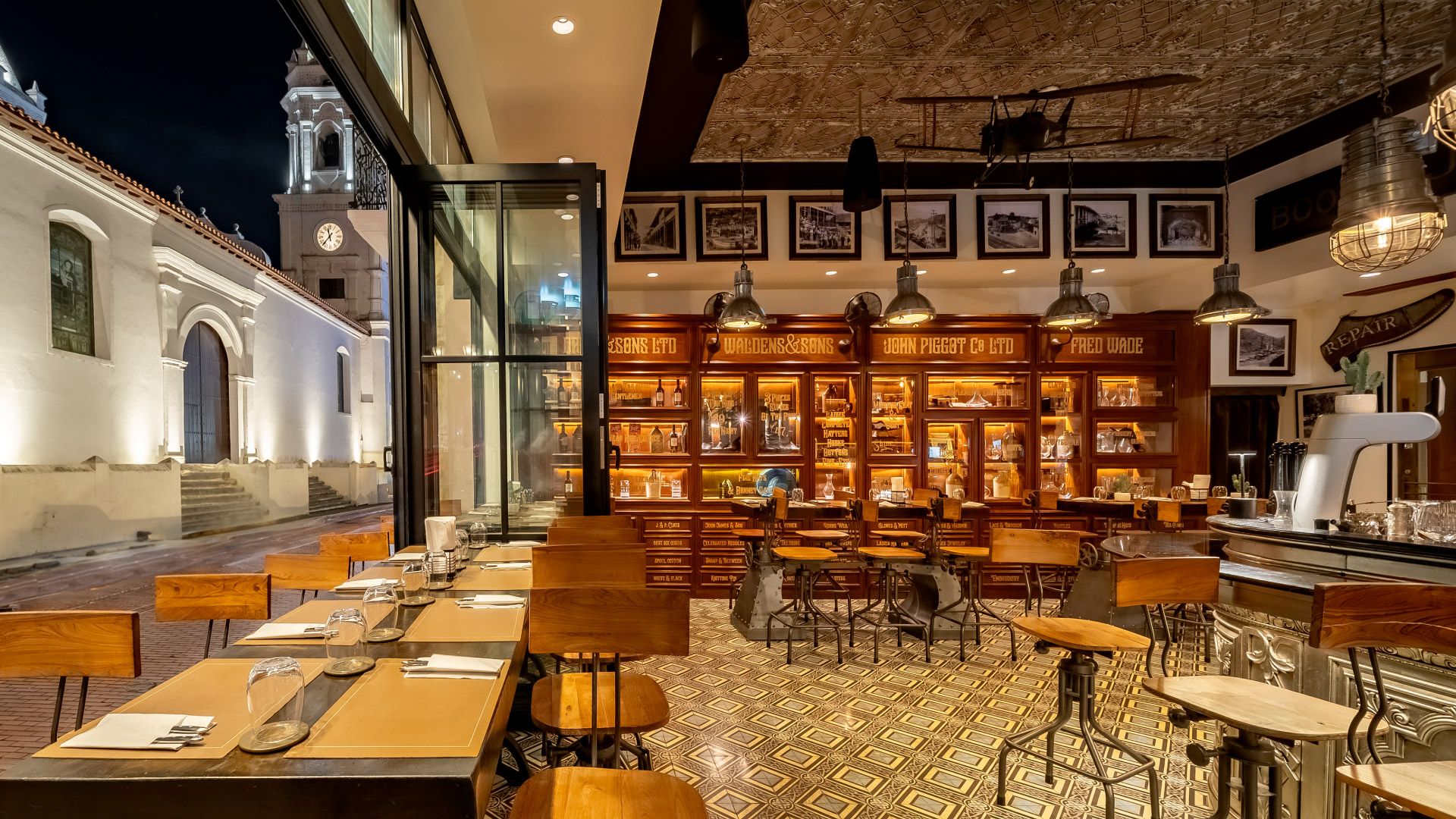
The American Wing marks the next decisive shift in the site’s history. Its strongest date is 1904, when American Bazaar, described in the hotel’s historical timeline as the first department store in Panama City, was established here. This wing belongs to the period that followed the Canal era under U.S. influence, when Panama entered a different urban and commercial phase. It represents the moment when the site moved more fully into public life shaped by trade, movement, consumption, and the broader modernization of the city.
That background explains the tone of the wing today. Where the Spanish Wing feels older and more structural, and the French Wing more formal, the American Wing carries a more social and outward-facing energy. Its spaces are tied to hospitality in a livelier and more public sense. This wing houses American Bazaar, Luigi’s, Hari’s, and Capella Rooftop. Together, those outlets make it the most openly social wing in the hotel, and the one most closely associated with the city’s early twentieth-century commercial life and its after-hours rhythm.