




 English
 Experiences at Villa Ana 1928: Dining Room, El Ático, and Rum & Cigar Bar
Three spaces inside a restored mansion, each shaped by the life of the house and the slower social rhythm it still holds.
Villa Ana 1928 unfolds through a series of rooms that still feel tied to the house it once was. The Dining Room, El Ático, and the Rum & Cigar Bar each use a different part of the mansion’s social life, from formal entertaining to quieter, more private hours.
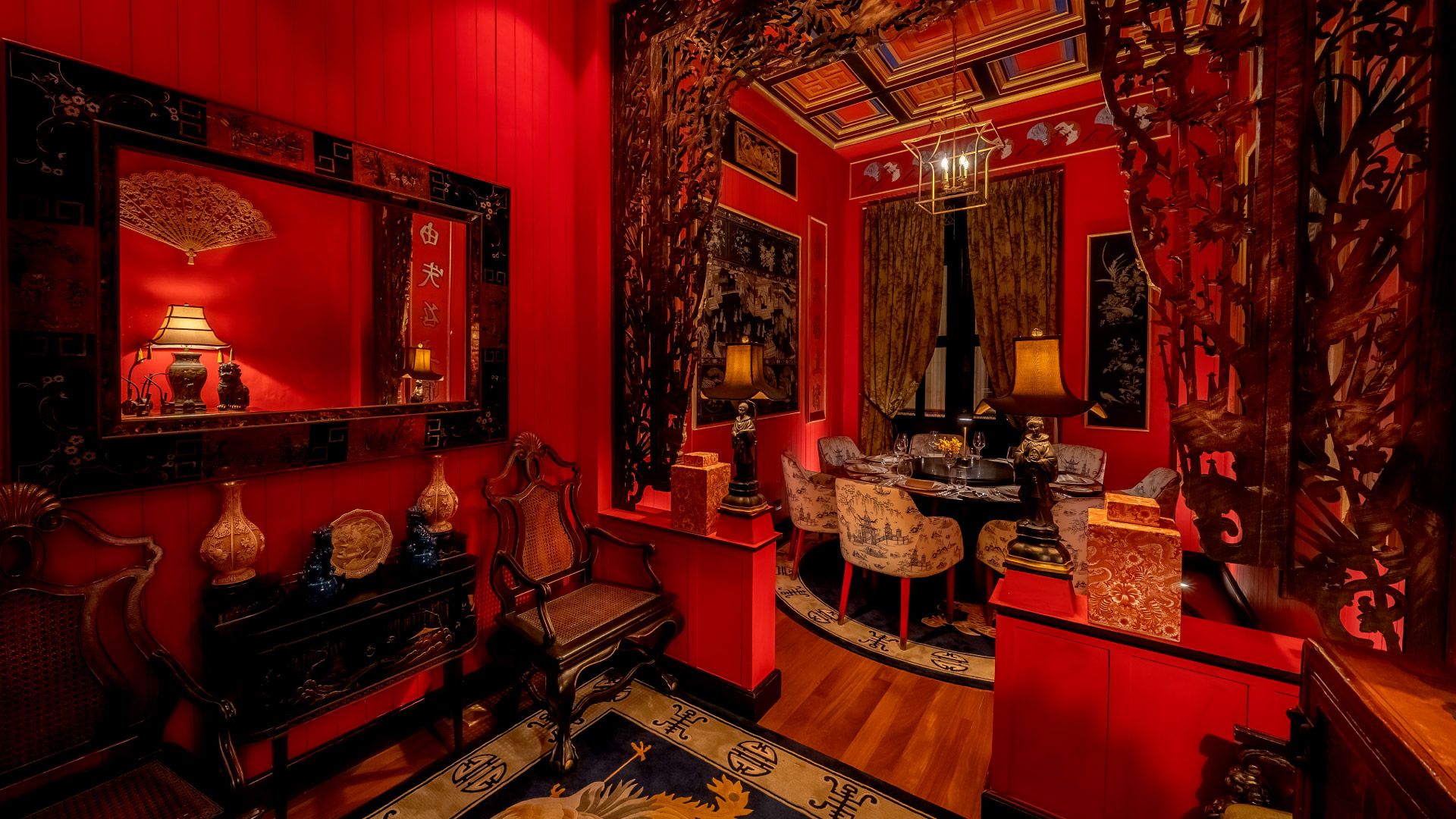
Villa Ana makes the most sense when it is read as a landmark house. The stairs, landings, thresholds, and proportions still belong to a private residence, and that changes the way its social spaces are experienced. Nothing feels detached from the building around it. The Dining Room, El Ático, and the Rum & Cigar Bar do not sit inside the mansion as separate concepts. They feel like rooms whose purpose has changed without losing the memory of how they were once used.
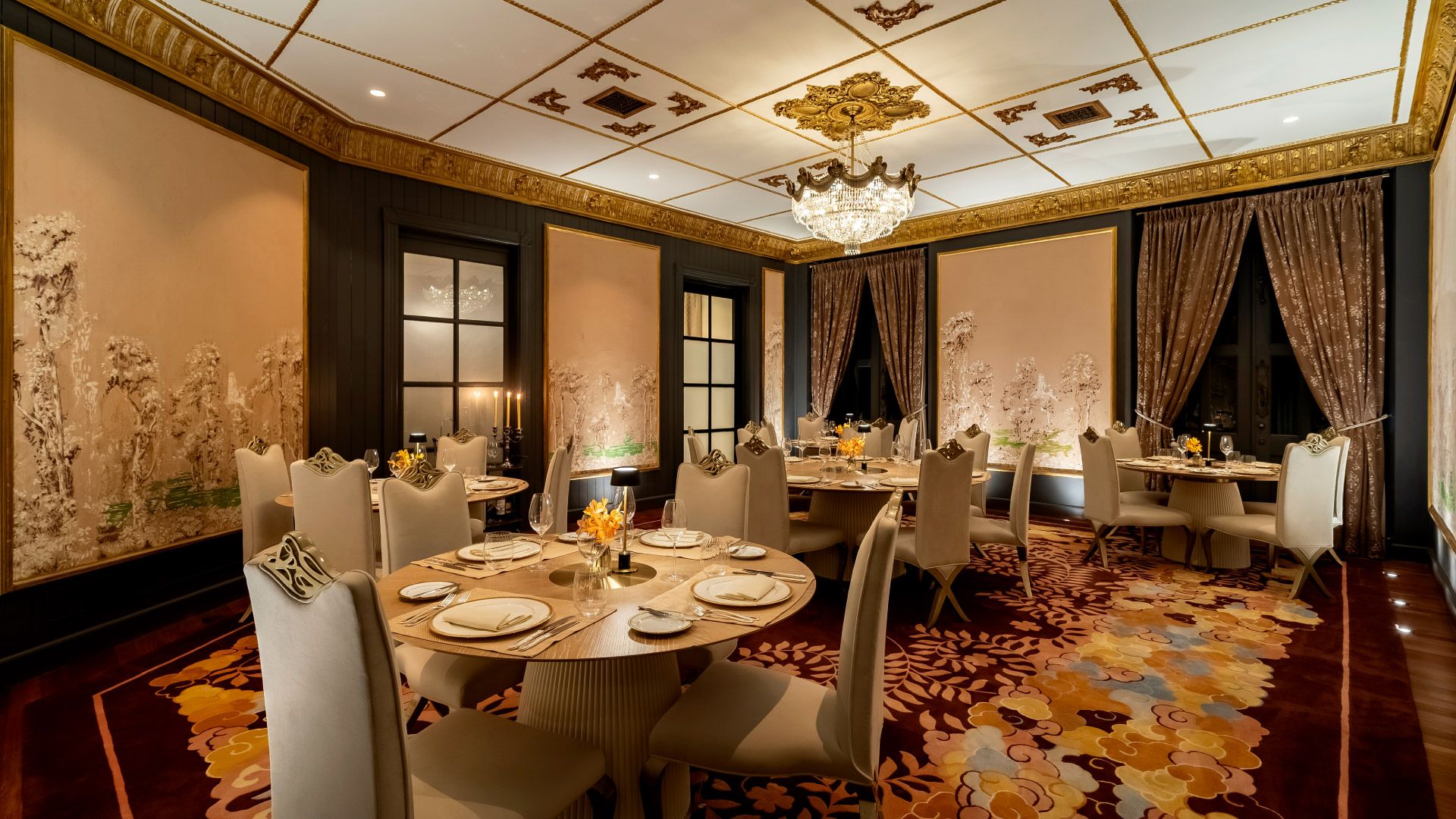
The Dining Room is where that continuity is easiest to see. It unfolds through four themed salons — French Deco, Indochine, Japanese, and Chinese — which gives the meal a rhythm closer to moving through a house than entering a single restaurant. The no-phone rule sharpens that mood across the property. Conversation slows down, the room holds its silence differently, and the experience becomes more attentive to the table, the interiors, and the people in front of you.
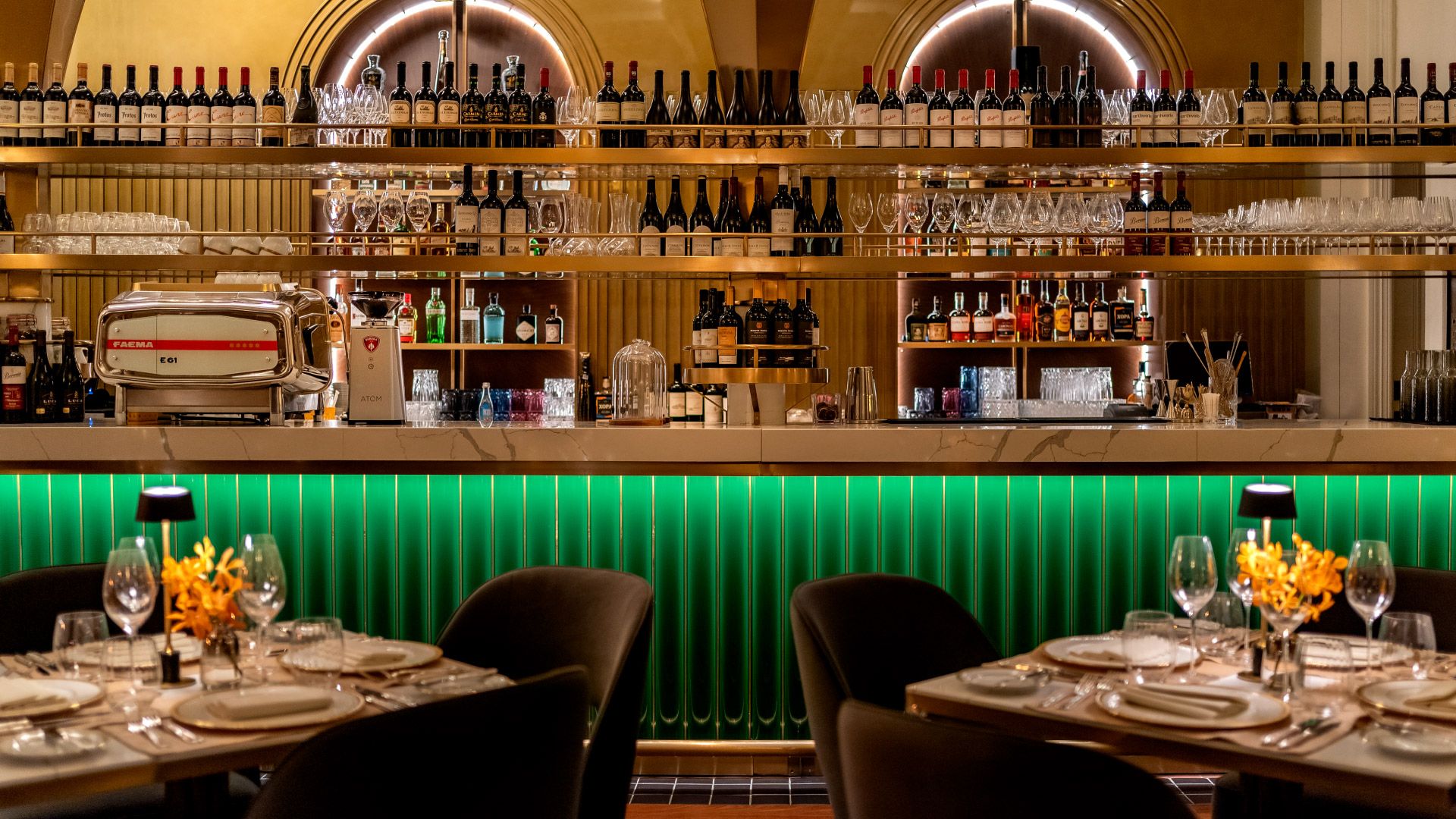
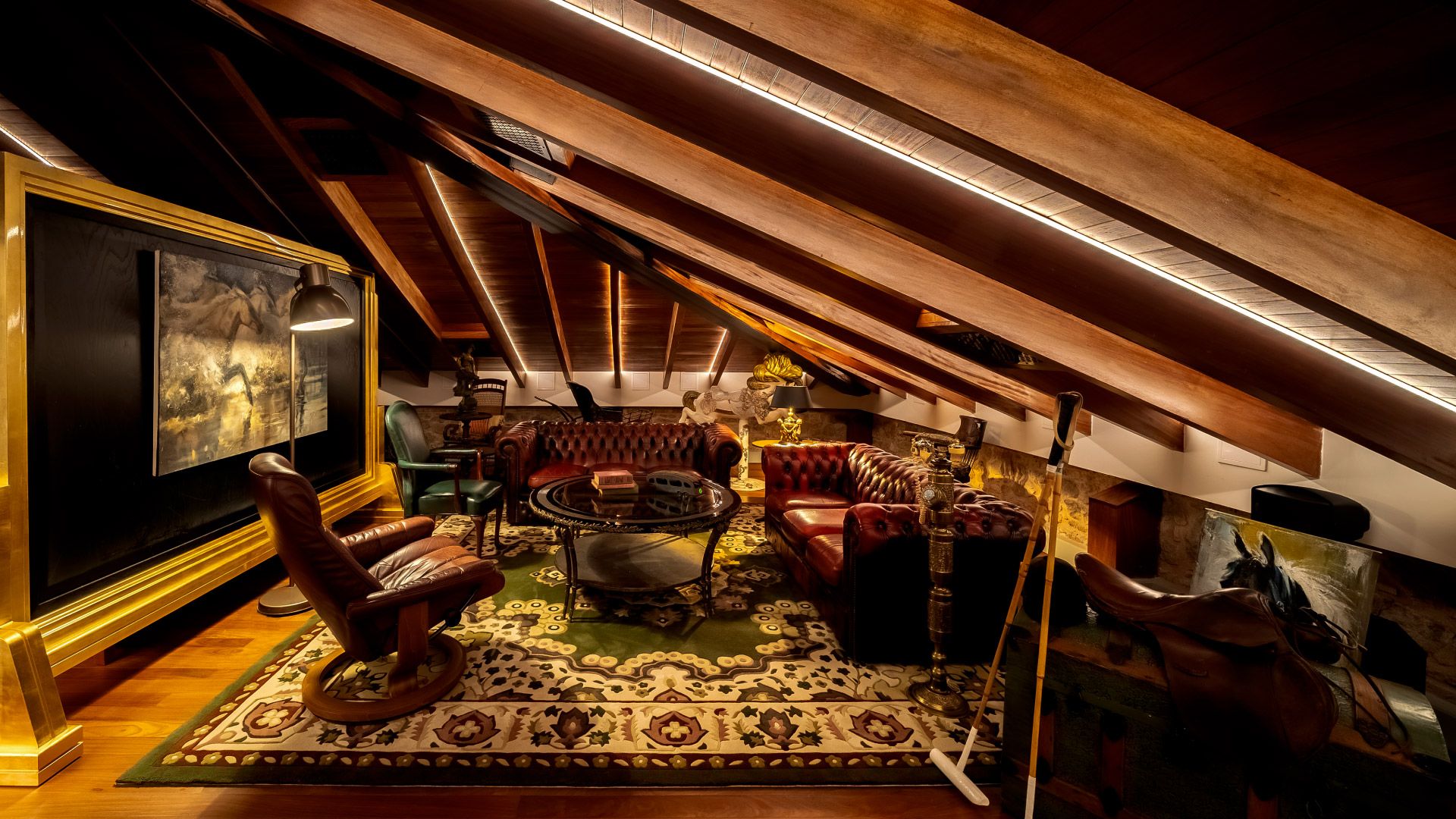
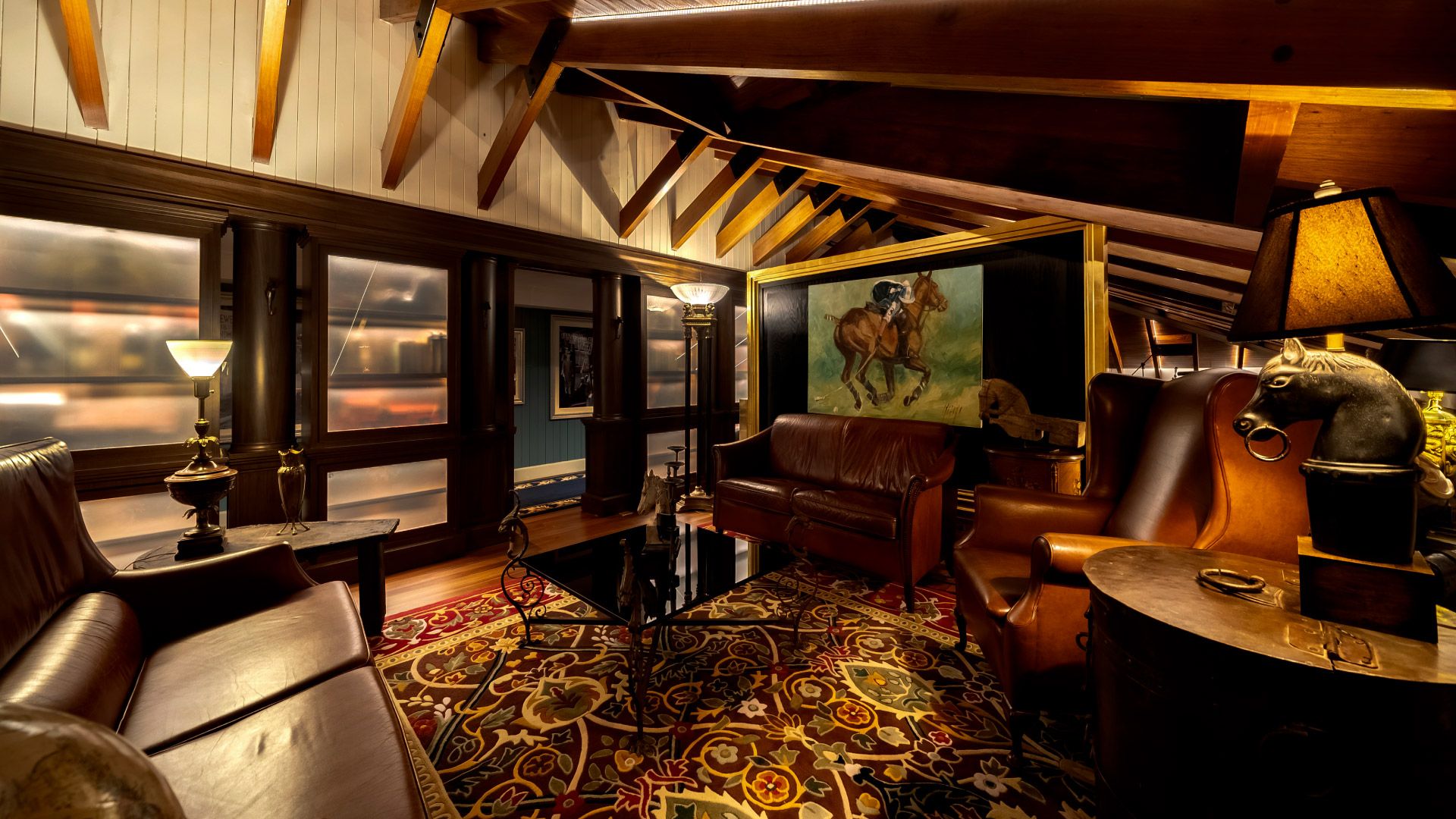
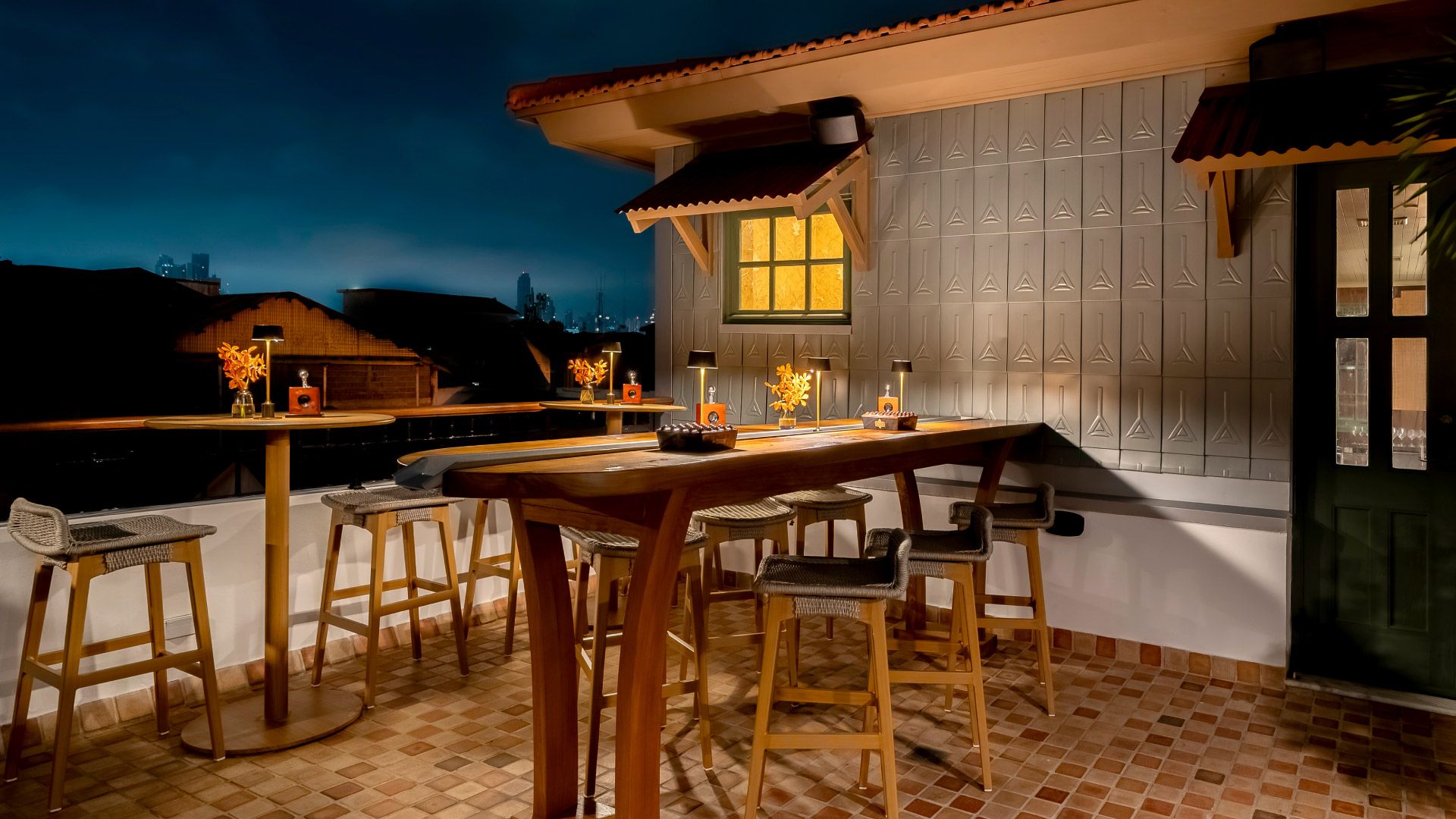
El Ático shifts the tone. It takes the experience upward, away from the more formal register of the lower rooms, and into a part of the house that feels lighter and more open. In a mansion like this, the upper levels have their own social logic: a little less ceremonial, a little more removed from the square outside. El Ático still carries that feeling. It is part of what gives Villa Ana its sense of vertical life, where each floor changes the mood rather than simply repeating it.
“Villa Ana still feels like a house with a social life of its own. That is what gives its rooms their weight.”
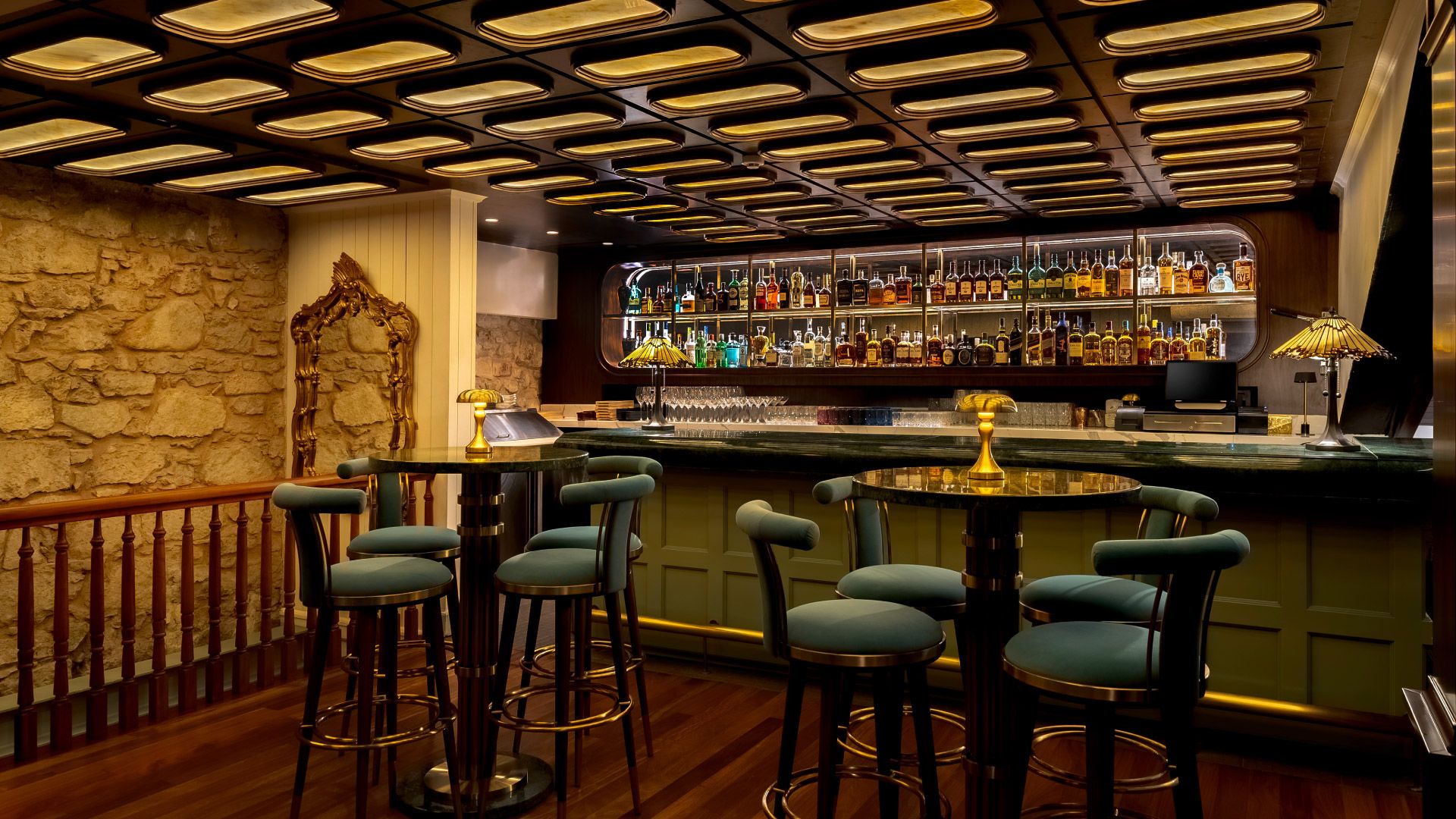
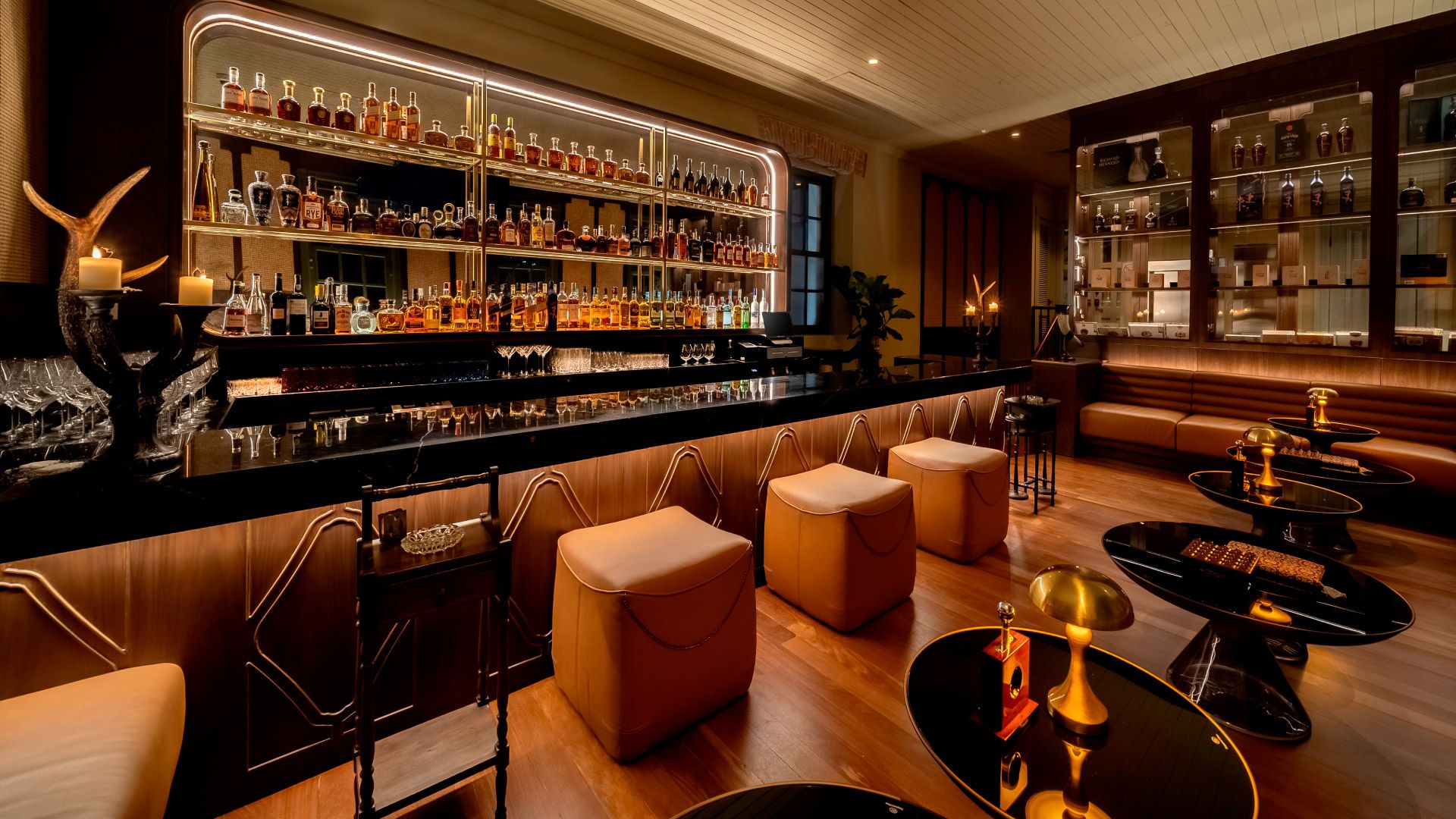
The Rum & Cigar Bar works from the opposite end of the evening. It is darker, slower, and more inward. Where the Dining Room is structured and El Ático feels more lifted, the bar settles into the intimate side of the house. That suits Villa Ana well. Its history is tied to a world of receiving, conversation, ritual, and late hours, and the bar keeps that register without needing to explain it too much.
Seen together, these three spaces show why Villa Ana does not feel like a heritage property filled with venues. The building still sets the terms. The Dining Room draws from the formal life of the mansion. El Ático opens the house toward privacy and height. The Rum & Cigar Bar leans into the quieter hours that follow. You do not move from outlet to outlet so much as move through different moods of the same residence.
That is what gives the experience its hold. The house is never reduced to background. It stays present in the sequence of the rooms, in the restraint of the lighting, in the rhythm of the evening, and in the fact that even now Villa Ana still feels inhabited by its own past. From here, the next story can stay with that social world and look outward to the Casco around it.