




 English
 Churches, Squares, and Museums to Visit During Your Stay in Casco Antiguo, Panama
A walking guide to the churches, plazas, ruins, and museums that shape the old quarter around Hotel La Compañía.
Staying in Casco Antiguo means being close to the places that give the old quarter its structure. Around Hotel La Compañía, churches, squares, ruins, and museums sit within a short walk of one another, making it easy to move through the religious, civic, and cultural history of the district.
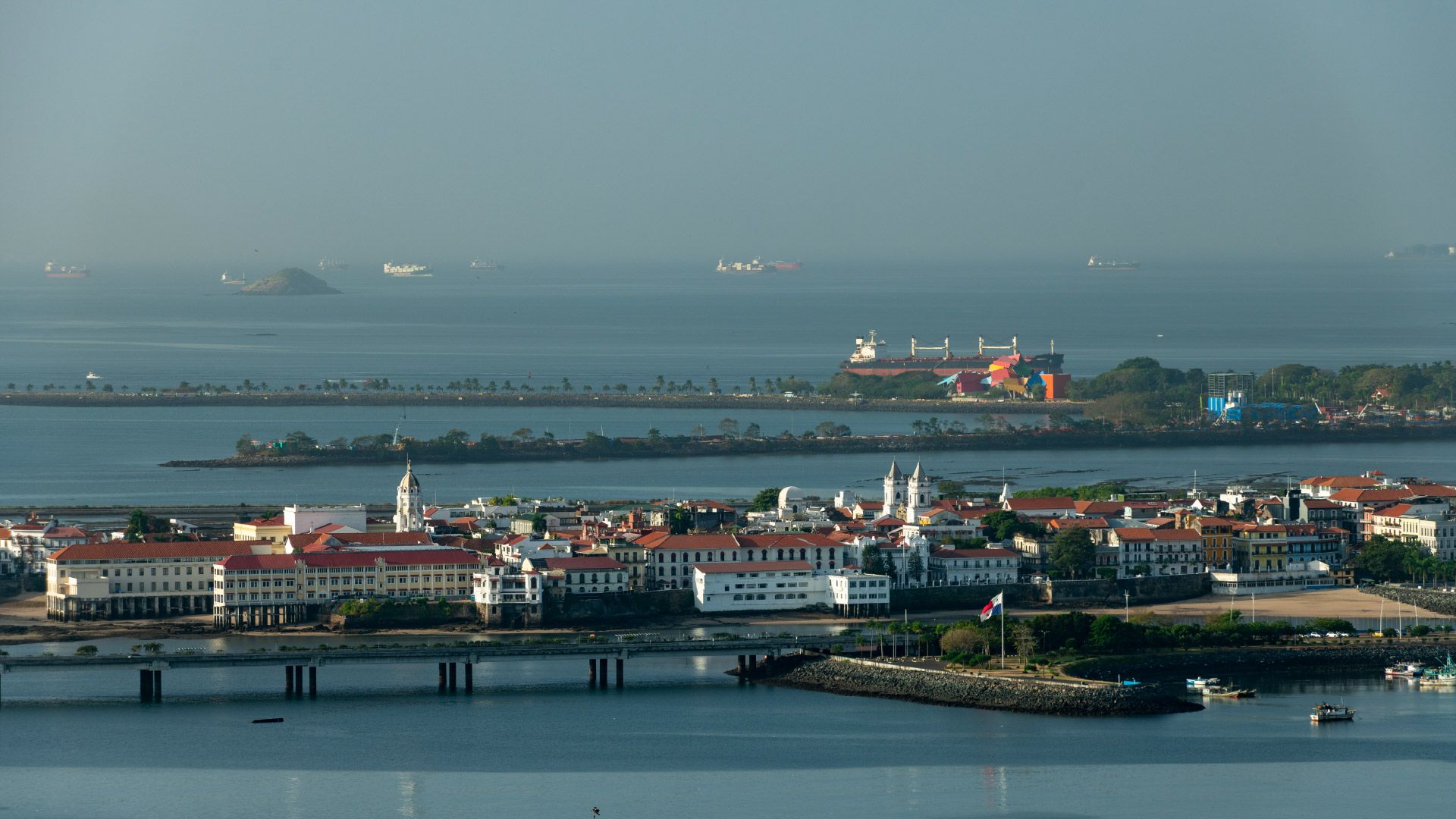
Casco Antiguo is best understood on foot. The neighborhood still holds together as a sequence of churches, plazas, facades, ruins, and institutions that explain how the old city was built and how it changed over time. If you are staying at Hotel La Compañía, some of the most rewarding visits begin only a few minutes from the hotel and unfold naturally as part of the streets around it.
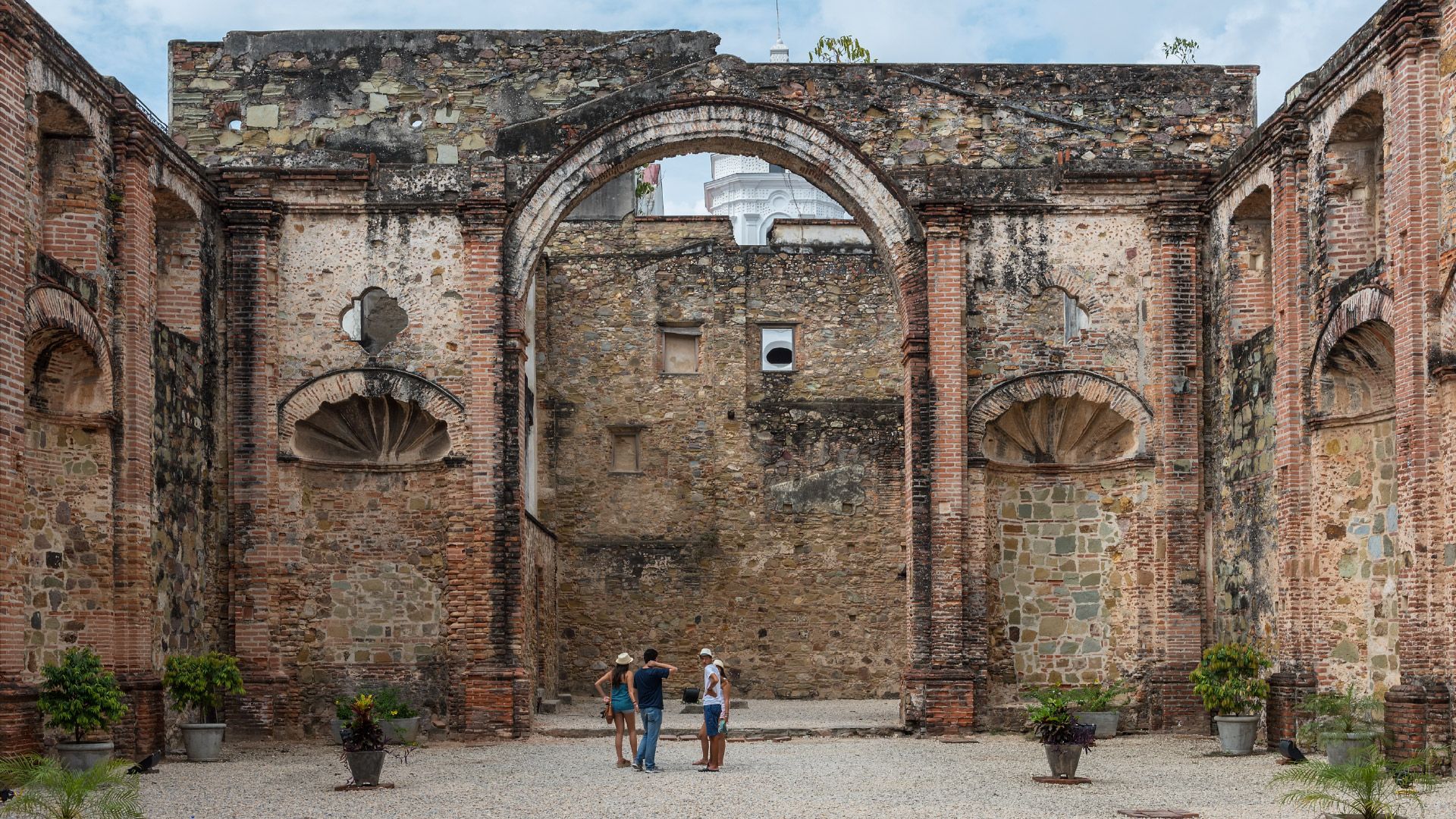
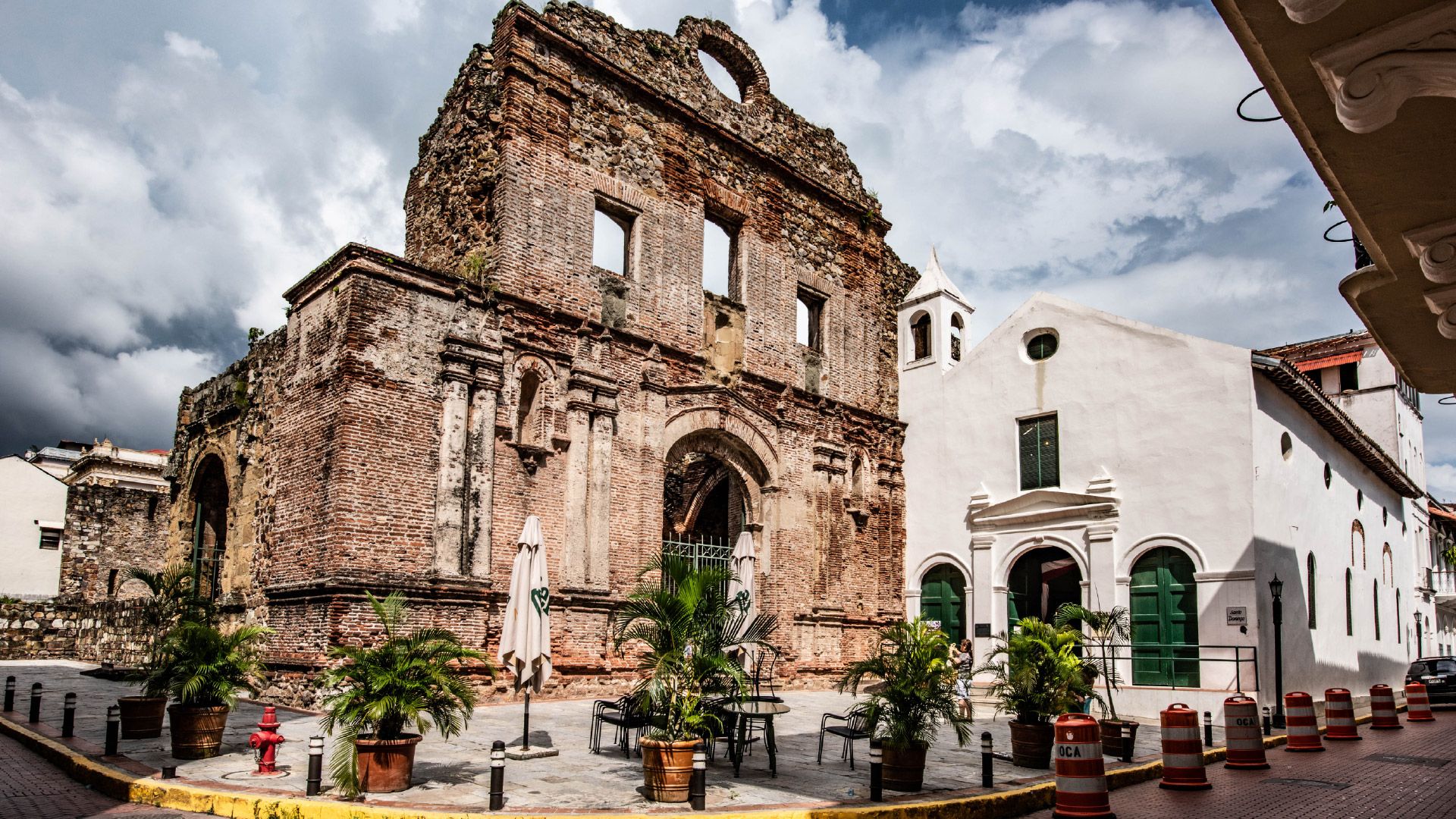
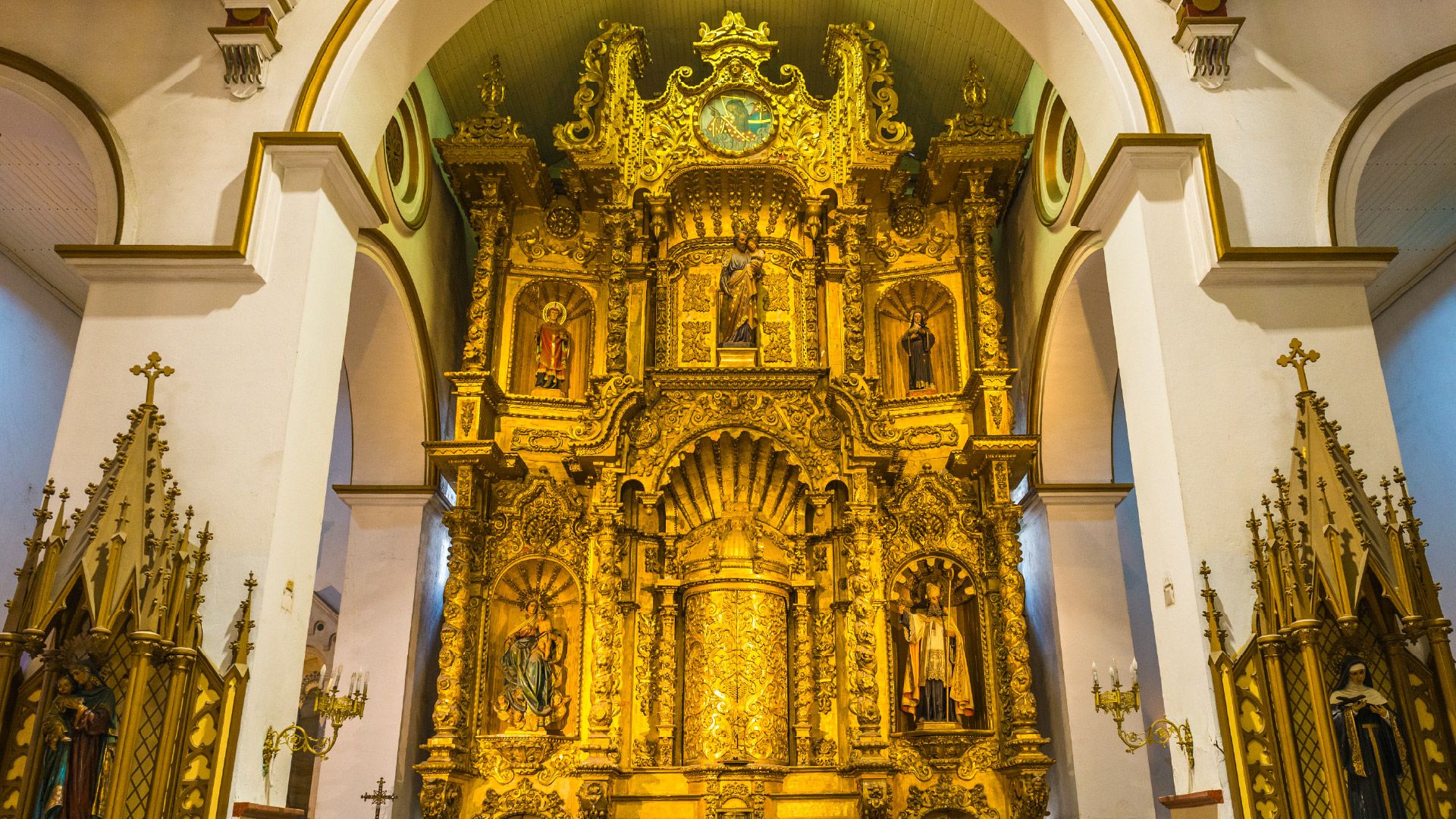
The churches are the clearest place to start. The Metropolitan Cathedral Basilica of Santa María la Antigua, facing Plaza de la Independencia, remains one of the defining landmarks of the district, with its towers, stone front, and central role in the civic life of the quarter. A short walk away, the Church of San José offers a different scale and a more concentrated encounter with the religious history of the city through its Golden Altar. The ruins of the Church of the Society of Jesus add another layer altogether. Their exposed walls and open structure are among the most striking reminders of the city’s earlier religious foundations, and they remain one of the most recognizable historic silhouettes in Casco Antiguo.
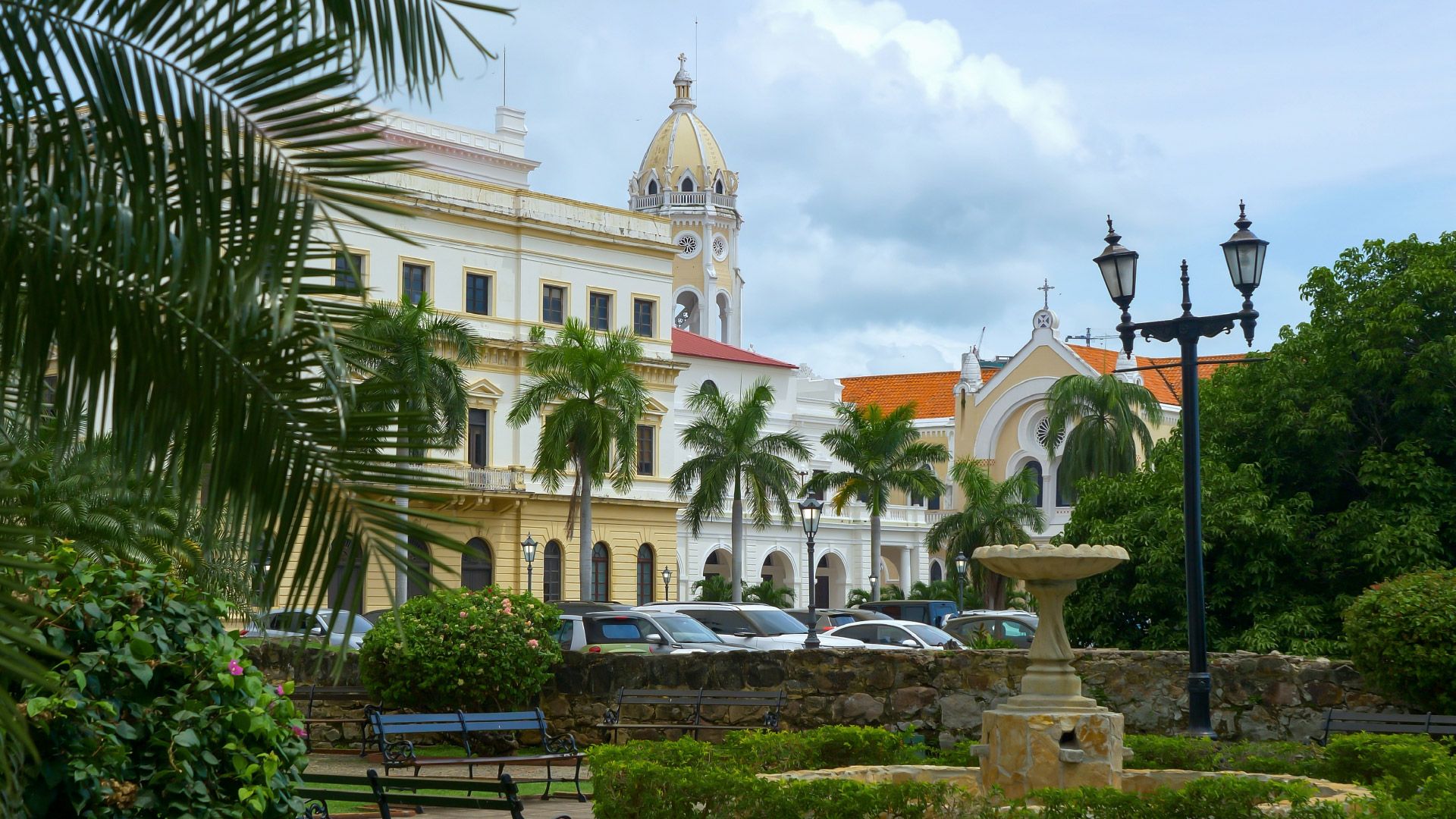
The squares give the district its rhythm. Plaza de la Independencia is the civic center, framed by the cathedral, Villa Ana, and some of the quarter’s most important buildings. Plaza Bolívar feels quieter and more reflective. Plaza Herrera opens the neighborhood in another direction, with a broader sense of movement and public life. Then there is Plaza Francia, where the old walls, the sea, and the obelisk bring the French chapter of the canal era into view. That monument changes the feeling of the square. It makes the space less domestic and more commemorative, tied to memory, engineering, and loss.
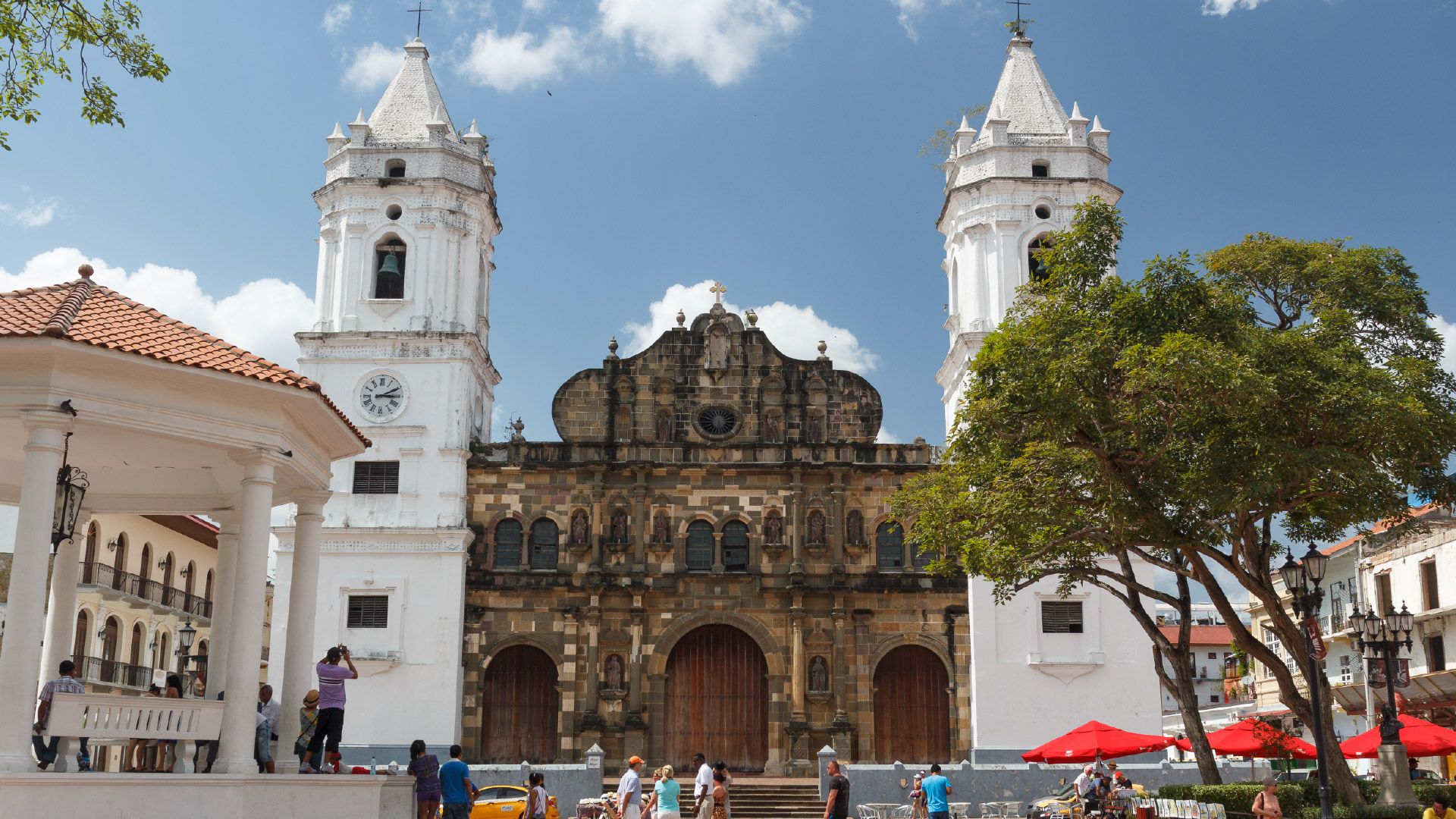
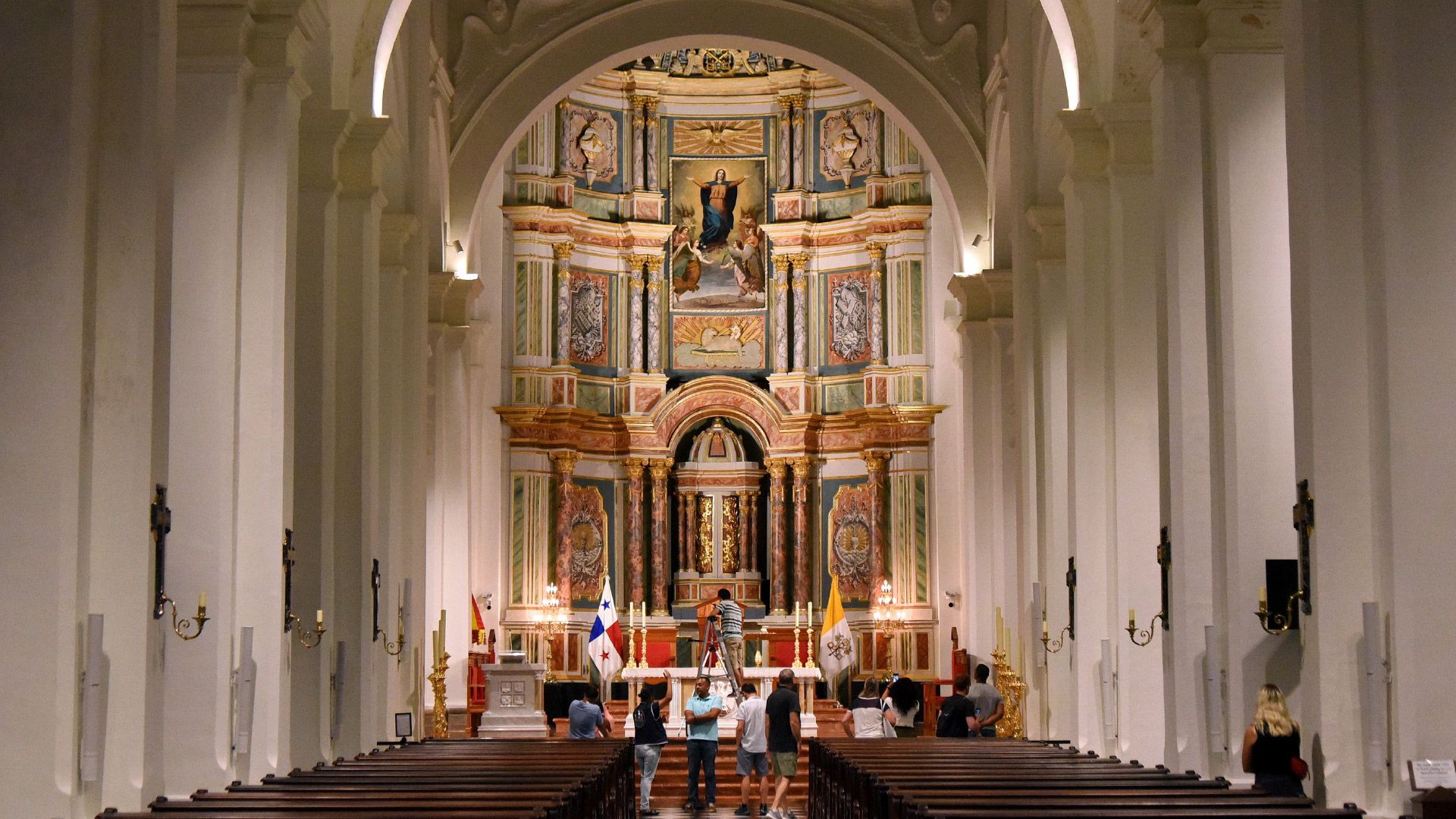
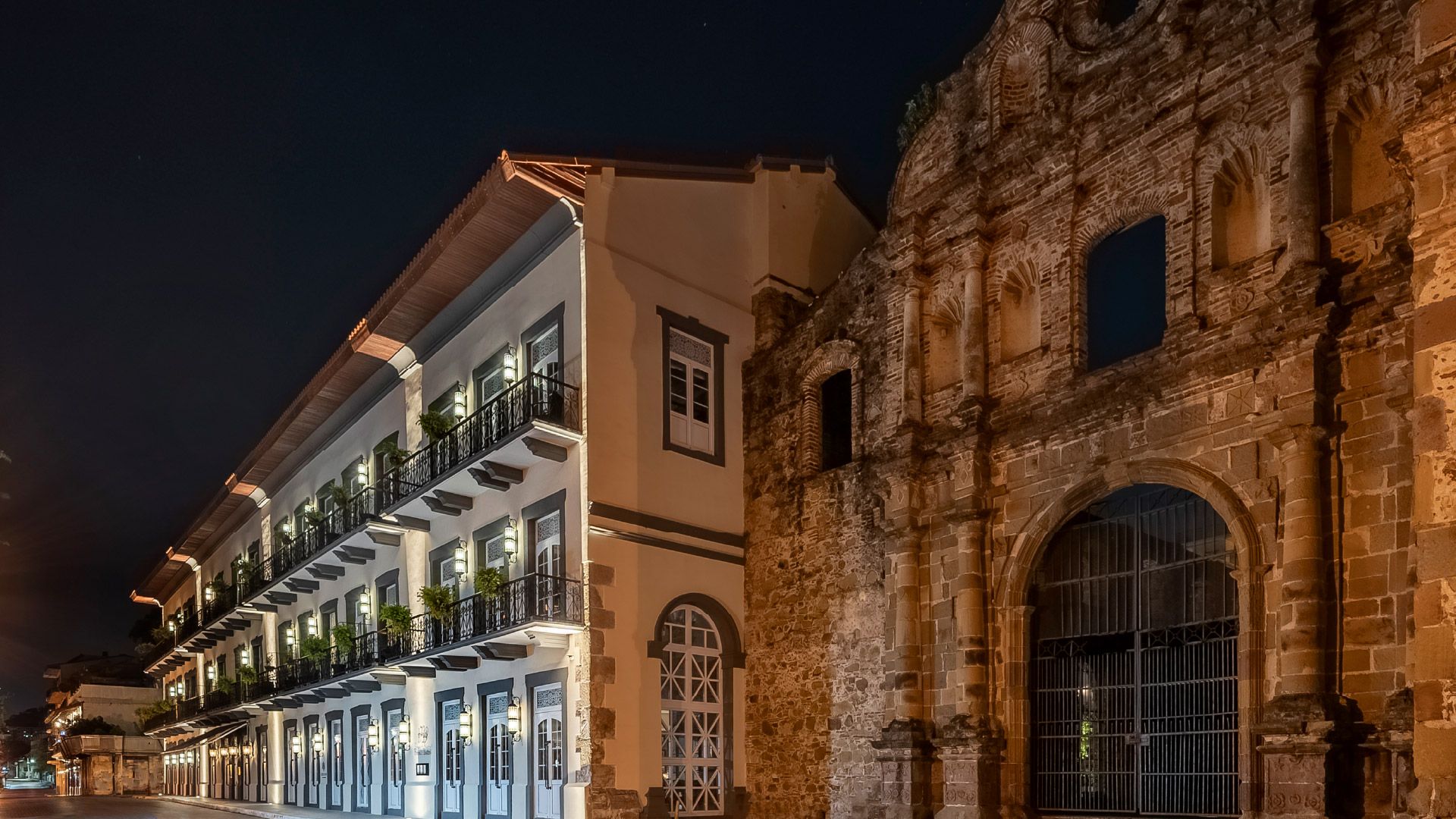
“In Casco Antiguo, the most memorable places are often the ones that reveal themselves in sequence, one church, one square, one museum at a time.”
The museums deepen that walk. The Museo del Canal Interoceánico is the essential stop if you want to understand Panama beyond architecture alone. Its galleries trace the long history of the canal, but they also explain the political, commercial, and international forces that shaped the country around it. The Museo de la Mola works on a smaller scale, but it offers something equally important: a direct view into Guna textile tradition and the role of molas within Panama’s cultural identity.
What makes these places work so well during a stay in Casco Antiguo is their proximity to one another. A church can lead naturally into a square, a ruin into a museum, a plaza into another street worth following. Nothing feels scattered. The old quarter still rewards slow attention, and its most memorable visits often come from letting one stop lead to the next rather than trying to cover everything at once.
From there, the day can return easily to the hotel, whether for a late lunch, a drink, or the quieter transition from the street back into the interior life of Casco Antiguo.